Moving can be an exhilarating yet daunting experience. As you prepare to transition from one home to another, it’s essential to consider the etiquette that comes with this significant life change. Moving etiquette encompasses the unwritten rules and best practices that ensure a smooth process for everyone involved, from you and your family to the movers and even your neighbors.
By adhering to these guidelines, you not only facilitate a more efficient move but also foster goodwill and respect among all parties. Understanding moving etiquette is crucial for creating a positive atmosphere during what can often be a stressful time. It involves being considerate of others’ time, space, and efforts.
Whether you are hiring professional movers or enlisting the help of friends and family, knowing how to navigate this process with grace can make all the difference. In this article, you will discover essential tips and insights that will help you approach your move with confidence and courtesy.
Key Takeaways
- Proper communication with your movers is essential for a smooth and efficient move.
- When packing, be sure to label all boxes clearly to make unpacking easier.
- Show respectful behavior in both your old and new home by being mindful of the space and the people around you.
- Tipping and payment protocol should be discussed and agreed upon before the move to avoid any misunderstandings.
- Safety considerations during the move are crucial to prevent accidents and injuries.
Proper Communication with Your Movers
Setting Clear Expectations
This involves discussing your expectations, timelines, and any specific requirements you may have. Be upfront about the size of your home, the number of items being moved, and any potential challenges, such as narrow hallways or steep staircases. By providing this information, you enable your movers to prepare adequately and allocate the right resources for your move.
Maintaining Open Communication
Maintaining open communication throughout the moving day is equally important. If you notice any issues or changes in plans, don’t hesitate to inform your movers promptly. This not only helps them adjust their approach but also demonstrates your respect for their time and expertise.
Achieving a Smooth Move
Remember, they are there to assist you, and a collaborative attitude can lead to a more efficient and pleasant moving experience for everyone involved.
Packing and Labeling Guidelines
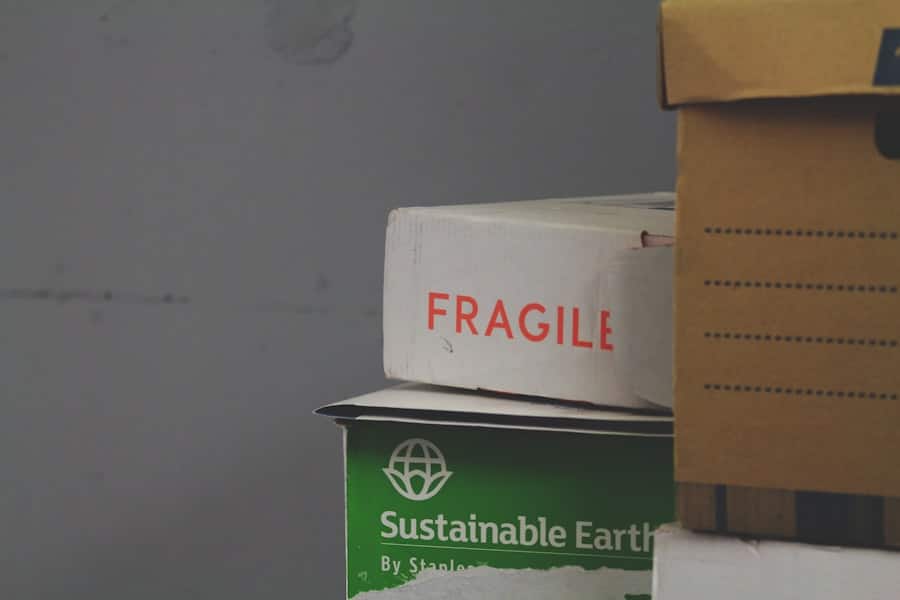
Packing is one of the most critical aspects of moving, and doing it right can save you time and stress on moving day. Start by gathering all necessary packing materials, such as boxes, bubble wrap, tape, and markers. As you pack, consider the weight and fragility of your items.
Heavier items should go in smaller boxes to make them easier to lift, while lighter items can be packed in larger boxes. This thoughtful approach not only protects your belongings but also makes it easier for your movers to handle them. Labeling your boxes is another essential step that should not be overlooked.
Clearly mark each box with its contents and the room it belongs to in your new home. This simple practice can significantly streamline the unpacking process, allowing you to direct your movers efficiently as they unload. Additionally, consider using color-coded labels for different rooms; this visual cue can help everyone involved quickly identify where each box should go.
By taking these packing and labeling guidelines seriously, you contribute to a smoother transition into your new space.
Respectful Behavior in Your Old and New Home
As you navigate the moving process, it’s crucial to exhibit respectful behavior in both your old and new homes. In your old home, be mindful of the condition of the property as you prepare to leave. Ensure that all areas are accessible for the movers and that any necessary cleaning or repairs are addressed before they arrive.
This consideration not only reflects well on you as a tenant or homeowner but also makes the moving process easier for everyone involved. When you arrive at your new home, take a moment to introduce yourself to your new neighbors if they are around. A friendly greeting can go a long way in establishing positive relationships in your new community.
Additionally, be respectful of noise levels during the moving process; keep in mind that neighbors may have different schedules or young children who need quiet time. By being considerate in both locations, you set a tone of respect that can enhance your experience in your new environment.
Tipping and Payment Protocol
Understanding tipping and payment protocols is an essential aspect of moving etiquette that often raises questions. When it comes to tipping your movers, it’s generally considered customary to offer a gratuity for good service. A standard guideline is to tip between 15% to 20% of the total moving cost, but this can vary based on factors such as the complexity of the move and the level of service provided.
If you feel that your movers went above and beyond—perhaps by handling particularly heavy items with care or working efficiently—consider tipping on the higher end of that scale. In addition to tipping, ensure that you are clear about payment methods before moving day arrives. Discuss with your moving company what forms of payment they accept—whether it’s cash, credit card, or check—and confirm any additional fees that may apply.
Being transparent about payment expectations helps avoid misunderstandings and ensures that both parties are on the same page when it comes time to settle up.
Safety Considerations during the Move

Safety First: A Smooth Move Starts with Preparation
Moving day can be chaotic, but safety should always be top priority. To ensure a safe and smooth move, take steps to prepare your old and new homes. Clear pathways of any obstacles that could pose tripping hazards or impede movement. This simple act can significantly reduce the risk of accidents occurring during the move.
### Protecting Your Belongings and Movers
Consider the safety of your belongings as well as those handling them. If you have fragile items or valuable possessions, communicate this clearly to your movers so they can take extra precautions when handling these items.
### Packing Essentials Separately
You might also want to pack essential items separately, such as medications or important documents, so they are easily accessible during the move. By prioritizing safety for everyone involved, you create an environment where the focus can remain on making your move as smooth as possible.
Handling Difficult Situations with Grace
Despite careful planning, moving can sometimes lead to unexpected challenges or difficult situations. Whether it’s a delay in arrival times or damage to an item during transport, how you handle these situations can significantly impact your overall experience. When faced with a problem, take a deep breath and approach it with a calm demeanor.
Expressing frustration may be tempting, but maintaining composure allows for more productive conversations. If an issue arises with your movers—such as a misunderstanding about services rendered—address it directly but respectfully. Clearly articulate your concerns while remaining open to their perspective as well.
Often, effective communication can lead to quick resolutions that satisfy both parties. Remember that everyone involved is working toward the same goal: completing a successful move. By handling difficult situations with grace, you not only resolve issues more effectively but also contribute positively to the overall atmosphere of the day.
Post-Move Follow-Up and Thank You Notes
Once the dust has settled from your move, take some time to reflect on the experience and express gratitude where it’s due. Sending thank-you notes to your movers is a thoughtful gesture that acknowledges their hard work and dedication during what can be a physically demanding job. A simple note expressing appreciation for their efforts can leave a lasting impression and foster goodwill.
Additionally, consider following up with any friends or family members who assisted you during the move. A heartfelt message or small token of appreciation can go a long way in reinforcing relationships and showing that their help was valued. By taking these post-move steps, you not only wrap up your moving experience on a positive note but also cultivate connections that will serve you well in your new community.
In conclusion, moving etiquette encompasses various aspects of communication, respect, safety, and gratitude that contribute to a successful transition from one home to another. By being mindful of these practices throughout the moving process, you create an environment where everyone feels valued and respected—ultimately leading to a smoother experience for all involved.
If you are looking for more information on moving etiquette, you may want to check out this article on