When it comes to planning a long-distance move, selecting the right professional movers is crucial. You want to ensure that your belongings are in capable hands, and that the entire process goes as smoothly as possible. Start by conducting thorough research on various moving companies.
Look for reviews and testimonials from previous customers to gauge their reliability and professionalism. Websites like Yelp, Google Reviews, and the Better Business Bureau can provide valuable insights into the experiences of others. You should also ask friends or family for recommendations, as personal experiences can often lead you to trustworthy movers.
Once you have a shortlist of potential movers, reach out to them for estimates. Most reputable companies will offer free quotes based on the volume of your belongings and the distance of your move. Be wary of unusually low estimates, as they may indicate hidden fees or subpar service.
During this process, pay attention to how each company communicates with you. Are they responsive and willing to answer your questions? A company that prioritizes customer service is likely to treat your belongings with the same level of care.
Key Takeaways
- Choose professional movers with experience in long-distance moves
- Securely pack your belongings to prevent damage during transport
- Communicate any specific needs or concerns to the moving company in advance
- Understand the insurance and liability coverage offered by the moving company
- Ensure proper handling and loading of your belongings onto the moving truck for safe transport
Packing Your Belongings Securely for Transport
Packing is one of the most critical aspects of any move, especially when it comes to long distances. You want to ensure that your items are secure and protected during transit. Start by gathering high-quality packing materials, including sturdy boxes, bubble wrap, packing paper, and tape.
It’s essential to use boxes that are appropriate for the weight and fragility of your items. For instance, heavier items like books should be packed in smaller boxes to prevent them from becoming too heavy to lift, while lighter items can be placed in larger boxes. As you pack, take the time to label each box clearly.
This will not only help you keep track of your belongings but also make unpacking at your new home much more manageable. Consider creating an inventory list that details what’s in each box. This can be invaluable if you need to file a claim for lost or damaged items later on.
Additionally, don’t forget to pack an essentials box with items you’ll need immediately upon arrival at your new home, such as toiletries, a change of clothes, and important documents.
Communicating Your Specific Needs and Concerns to the Moving Company

Effective communication with your moving company is vital for a successful long-distance move. Once you’ve chosen a mover, take the time to discuss any specific needs or concerns you may have. For example, if you have fragile items that require special handling, make sure to inform them so they can take the necessary precautions.
If you have large furniture pieces that need disassembly or specific instructions for loading and unloading, communicate these details upfront. Don’t hesitate to ask questions about their processes and policies. Understanding how they handle potential issues, such as delays or damage during transit, can provide peace of mind.
Additionally, if you have a tight schedule or specific time frames for pickup and delivery, make sure these are clearly outlined in your agreement. Open dialogue will help ensure that everyone is on the same page and can significantly reduce the likelihood of misunderstandings later on.
Understanding the Insurance and Liability Coverage Offered by the Moving Company
Before finalizing your moving arrangements, it’s essential to understand the insurance and liability coverage offered by your chosen moving company. Most movers provide basic coverage known as “released value protection,” which typically covers only a fraction of the value of your belongings—often just 60 cents per pound. While this may be sufficient for some items, it’s crucial to assess whether this level of coverage is adequate for your possessions.
If you have valuable items or antiques, consider purchasing additional insurance through the moving company or a third-party provider. This can offer greater peace of mind knowing that your belongings are fully protected during transit. Take the time to read through the terms and conditions of any insurance policy carefully, ensuring you understand what is covered and what isn’t.
Being informed about your options will help you make a decision that best suits your needs.
Ensuring Proper Handling and Loading of Your Belongings onto the Moving Truck
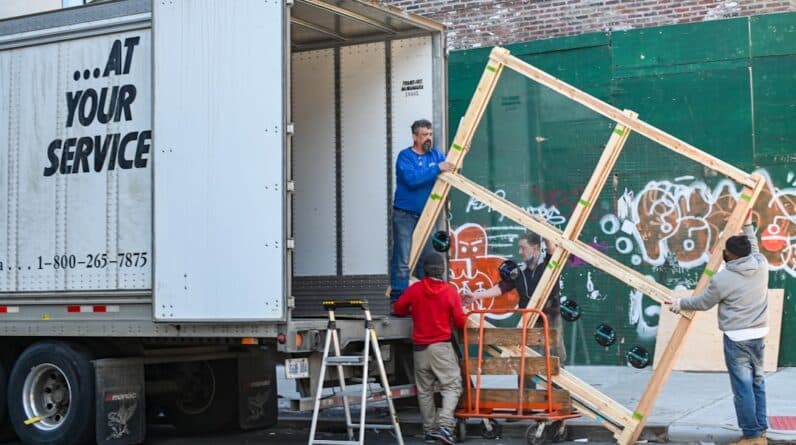
The loading process is a critical phase in any move, especially for long distances where items will be subjected to various conditions during transport. To ensure proper handling, it’s advisable to be present during loading day. This allows you to oversee how your belongings are being handled and packed into the truck.
Make sure that fragile items are loaded last and placed in a way that minimizes movement during transit. Additionally, observe how the movers secure your items within the truck. They should use straps and padding to prevent shifting and damage while on the road.
If you notice any concerns during this process—such as improper stacking or inadequate protection—don’t hesitate to voice them. Your involvement can help ensure that everything is loaded correctly and safely.
Monitoring the Transportation and Delivery of Your Belongings to the New Location

Once your belongings are on their way to your new home, it’s important to stay informed about their transportation status. Many professional moving companies offer tracking services that allow you to monitor your shipment in real-time. This can alleviate some anxiety associated with long-distance moves, as you’ll have a clearer idea of when to expect delivery.
If tracking isn’t available, maintain open lines of communication with your moving company throughout the journey. Don’t hesitate to reach out for updates or clarification on any delays or issues that may arise during transport. Being proactive can help you stay prepared for the arrival of your belongings and ensure a smoother transition into your new space.
Unpacking and Checking for Any Damage or Loss of Items After the Move
Upon arrival at your new home, unpacking can feel like both a daunting task and an exciting opportunity to settle into your new space. Before diving into unpacking, take a moment to check each box for any signs of damage or loss. Refer back to your inventory list as you go through each item; this will help you keep track of what has arrived safely and what may be missing.
If you discover any damage or missing items, document everything thoroughly with photographs and notes. This documentation will be essential if you need to file a claim with your moving company’s insurance provider. Reach out to them promptly with all necessary information so they can assist you in resolving any issues quickly.
Providing Feedback and Reviews for the Moving Company’s Services
After completing your move, take some time to reflect on your experience with the moving company. Providing feedback is not only beneficial for future customers but also helps the company improve its services. If you had a positive experience, consider leaving a glowing review on platforms like Google or Yelp; this can help others who are searching for reliable movers.
Conversely, if you encountered issues during your move, don’t hesitate to share constructive criticism with the company directly before posting public reviews. Many companies appreciate honest feedback and may take steps to address any concerns you raise. Your insights could lead to improvements that benefit future customers while also ensuring that your voice is heard regarding your experience.
In conclusion, navigating a long-distance move requires careful planning and attention to detail at every stage—from choosing professional movers to unpacking at your new home. By following these guidelines, you can help ensure that your move is as seamless as possible while protecting your belongings along the way.
When planning a long-distance move with professional movers, it is crucial to ensure that your belongings are handled safely and securely throughout the process. One helpful article that provides tips on how to achieve this is “Tips for Safely Packing and Moving Your Belongings”. This article offers valuable advice on properly packing fragile items, labeling boxes, and communicating effectively with your moving company to guarantee a smooth and secure relocation. By following these guidelines, you can have peace of mind knowing that your possessions are in good hands during your long-distance move.
FAQs
What are some tips for ensuring that my belongings are handled safely and securely during a long-distance move with professional movers?
– Research and hire reputable professional movers with a proven track record of safe and secure handling of belongings.
– Clearly communicate your specific requirements and concerns to the moving company before the move.
– Pack your belongings securely and label fragile items clearly to ensure they are handled with care.
– Consider purchasing additional moving insurance to protect your belongings during the move.
What should I look for when hiring professional movers for a long-distance move?
– Look for movers with positive reviews and recommendations from previous customers.
– Verify that the moving company is licensed and insured to protect your belongings during the move.
– Inquire about the movers’ experience with long-distance moves and their handling of fragile or valuable items.
How can I communicate my specific requirements and concerns to the moving company before the move?
– Schedule a consultation with the moving company to discuss your specific needs and concerns.
– Provide a detailed inventory of your belongings and any special handling instructions.
– Ask the moving company to provide a written agreement outlining the terms of the move, including handling procedures and insurance coverage.
What steps can I take to pack my belongings securely for a long-distance move?
– Use high-quality packing materials, such as sturdy boxes, bubble wrap, and packing tape, to protect your belongings during transit.
– Pack fragile items with extra care, using cushioning materials to prevent breakage.
– Label each box with its contents and indicate if it contains fragile items to ensure proper handling by the movers.
Should I consider purchasing additional moving insurance to protect my belongings during the move?
– It is advisable to consider purchasing additional moving insurance, especially for valuable or irreplaceable items.
– Check with the moving company to see if they offer additional insurance options or seek out a third-party insurance provider for coverage during the move.