When you decide to move, one of the most critical aspects to consider is the insurance coverage for your belongings. Understanding your moving insurance options can help you protect your possessions during transit and provide peace of mind throughout the process. As you prepare for your move, it’s essential to familiarize yourself with the different types of coverage available, as well as the specific terms and conditions that apply.
This knowledge will empower you to make informed decisions and ensure that your items are adequately protected. Moving insurance can be a complex topic, but breaking it down into manageable parts can simplify the process. Generally, there are two primary types of coverage offered by moving companies: basic liability coverage and full value protection.
Each option has its own set of benefits and limitations, so it’s crucial to evaluate your needs and the value of your belongings before making a choice. By understanding these options, you can better navigate the often-overwhelming world of moving logistics and safeguard your possessions against potential loss or damage.
When it comes to moving insurance, you will likely encounter two main types of coverage: Full Value Protection and Released Value Protection. Full Value Protection is the more comprehensive option, offering a higher level of security for your belongings. Under this plan, the moving company is responsible for replacing or repairing any items that are lost or damaged during the move, up to the total value declared by you.
This means that if something goes wrong, you can expect to receive compensation that reflects the actual value of your possessions, which can provide significant peace of mind. On the other hand, Released Value Protection is a more basic form of coverage that comes at no additional cost. However, it offers limited protection, as it only covers your belongings at a rate of 60 cents per pound.
This means that if a heavy item like a sofa is damaged, you would only receive a fraction of its actual value based on its weight rather than its market worth. While Released Value Protection may seem appealing due to its cost-effectiveness, it’s essential to weigh the risks involved, especially if you have valuable items that could be significantly underinsured.
Key Takeaways
- Full Value Protection provides the most comprehensive coverage for your belongings during a move
- Released Value Protection is a more basic coverage option that may not fully cover the value of your items
- Consider additional insurance coverage for high-value items such as jewelry, artwork, or antiques
- Third-party insurance options can provide added protection for long-distance moves
- Understand the difference between transit insurance, which covers items during transport, and storage insurance, which covers items while in storage
Additional Insurance Coverage for High-value Items
If you own high-value items such as artwork, antiques, or electronics, it’s crucial to consider additional insurance coverage specifically tailored for these possessions. Standard moving insurance may not adequately cover the full value of these items, leaving you vulnerable in case of loss or damage. Many moving companies offer specialized insurance options for high-value items, which can provide enhanced protection and ensure that you receive fair compensation in the event of an unfortunate incident.
Before your move, take the time to assess the value of your high-ticket items and discuss them with your moving company. They may require you to provide documentation or appraisals to determine the appropriate level of coverage needed. Additionally, consider whether you want to purchase separate insurance from a third-party provider that specializes in high-value items.
This option can offer even greater peace of mind, as these providers often have extensive experience in handling valuable possessions and can tailor their policies to meet your specific needs.
Third-party Insurance Options for Long-distance Moves
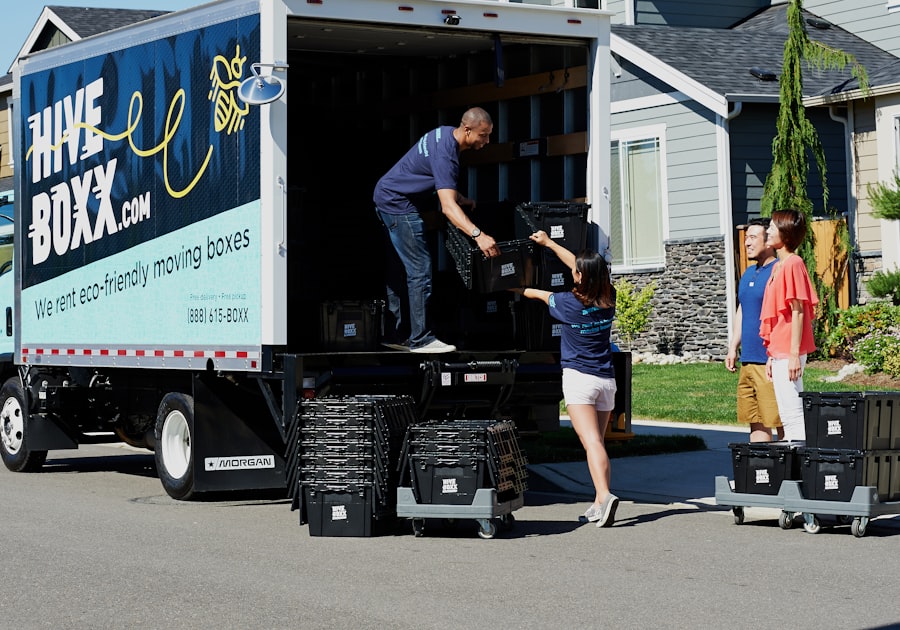
When planning a long-distance move, exploring third-party insurance options can be a wise decision. While many moving companies offer their own insurance plans, third-party providers may offer more comprehensive coverage tailored to your unique situation. These independent insurers often have specialized policies designed for long-distance moves, which can provide additional protection against potential risks associated with transporting your belongings over greater distances.
Before selecting a third-party insurance provider, it’s essential to conduct thorough research and compare different policies. Look for companies with strong reputations and positive customer reviews to ensure that you’re choosing a reliable option. Additionally, pay close attention to the terms and conditions of each policy, including coverage limits, deductibles, and any exclusions that may apply.
By taking the time to find the right third-party insurance option, you can enhance your peace of mind during your long-distance move and protect your belongings from unforeseen circumstances.
Liability Coverage for Damages During Transit
Liability coverage is an essential aspect of moving insurance that addresses potential damages that may occur during transit. When you hire a moving company, they are typically required by law to provide some form of liability coverage for your belongings. However, it’s important to understand the specifics of this coverage and what it entails.
Liability coverage generally protects you against damages caused by the moving company’s negligence or mishandling of your items during transport. While liability coverage is a necessary safety net, it’s crucial to recognize its limitations. Depending on the type of coverage you choose—whether Full Value Protection or Released Value Protection—the level of compensation you receive may vary significantly.
If you opt for Released Value Protection, for instance, you may find yourself underinsured in case of significant damage to valuable items. Therefore, it’s vital to assess your belongings’ worth and consider whether additional liability coverage is necessary to ensure adequate protection during transit.
Understanding the Difference Between Transit Insurance and Storage Insurance
As you navigate the complexities of moving insurance, it’s essential to understand the distinction between transit insurance and storage insurance. Transit insurance covers your belongings while they are in transit from one location to another. This type of insurance is crucial for protecting your items against potential damages or losses that may occur during transportation.
On the other hand, storage insurance comes into play when your belongings are placed in storage facilities before or after your move. If you need to store your items temporarily due to timing issues or logistical challenges, storage insurance ensures that they remain protected while in storage. It’s important to note that not all moving companies automatically provide storage insurance; therefore, it’s wise to inquire about this option if you anticipate needing storage services during your move.
Tips for Choosing the Right Insurance Coverage for Your Long-distance Move
Choosing the right insurance coverage for your long-distance move can feel overwhelming, but there are several tips that can help simplify the process. First and foremost, take inventory of all your belongings and assess their value. This will give you a clearer picture of what level of coverage you need and help you make informed decisions about which type of insurance is best suited for your situation.
Next, don’t hesitate to ask questions when discussing insurance options with your moving company or potential third-party providers. Understanding the terms and conditions of each policy is crucial; make sure you know what is covered and what isn’t. Additionally, consider seeking recommendations from friends or family who have recently moved; their experiences can provide valuable insights into which insurance options worked best for them.
Important Questions to Ask Your Moving Company About Insurance Options
When discussing insurance options with your moving company, it’s essential to ask specific questions to ensure you fully understand what is being offered. Start by inquiring about the types of coverage available and how they differ from one another. Ask about any limitations or exclusions that may apply to each policy so that there are no surprises later on.
Additionally, inquire about how claims are processed in case of loss or damage during transit. Understanding the claims process will help you know what steps to take if something goes wrong with your belongings. Finally, don’t forget to ask about any additional fees associated with different types of coverage; being aware of all costs upfront will help you budget effectively for your move.
In conclusion, navigating the world of moving insurance can be daunting but is essential for protecting your belongings during a long-distance move. By understanding your options—ranging from Full Value Protection to third-party insurance—you can make informed decisions that suit your needs and budget. Remember to ask questions and seek advice from trusted sources as you prepare for this significant transition in your life.
With careful planning and consideration, you can ensure that your move goes smoothly and that your possessions are well-protected every step of the way.
When hiring a long-distance moving service for an out-of-state move, it is important to consider the insurance options available to protect your belongings during the transition. One related article that provides valuable information on this topic is Small Moving Companies Near Me. This article discusses the benefits of hiring smaller moving companies that may offer more personalized service and insurance options tailored to your specific needs. Additionally, articles such as Movers Moving Company in Indianapolis, Indiana and Movers Moving Company in Denver, Colorado can provide insights into the insurance options available in different regions for long-distance moves.
FAQs
What insurance options are available when hiring a long-distance moving service for an out-of-state move?
There are several insurance options available when hiring a long-distance moving service for an out-of-state move. These options include released value protection, full value protection, and third-party insurance.
What is released value protection?
Released value protection is the most basic insurance option offered by moving companies. It is included in the cost of the move and provides minimal coverage, typically around 60 cents per pound per item. This means that if an item is lost or damaged, the moving company is only liable for a small fraction of its value.
What is full value protection?
Full value protection is a more comprehensive insurance option that provides coverage for the full value of items being moved. This option typically requires an additional fee and allows the moving company to either repair the item, replace it with a similar item, or provide a cash settlement for the item’s current market value.
What is third-party insurance?
Third-party insurance is an additional insurance option that can be purchased from a separate insurance provider. This option provides coverage for items that may not be fully covered by the moving company’s released value protection or full value protection. It is important to carefully review the terms and coverage limits of third-party insurance policies before purchasing.
What factors should be considered when choosing an insurance option for a long-distance move?
When choosing an insurance option for a long-distance move, it is important to consider the value of the items being moved, the level of risk involved in the move, and the cost of the insurance options. It is also important to carefully review the terms and coverage limits of each insurance option to ensure that it meets the specific needs of the move.