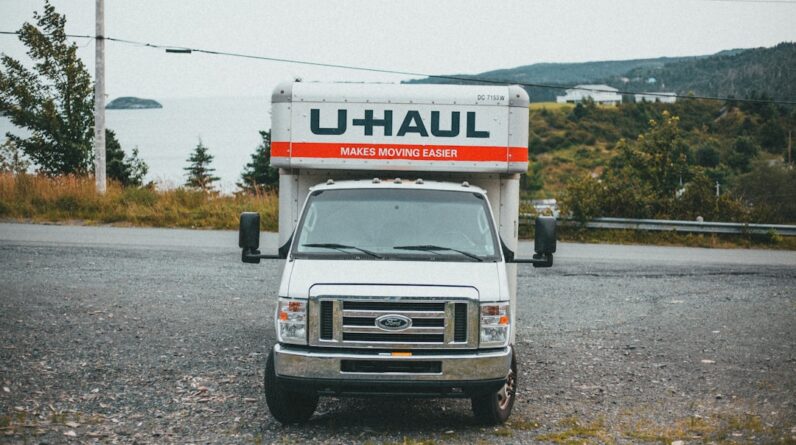
When it comes to moving, selecting a reputable moving company is one of the most critical steps you can take. You want to ensure that your belongings are in safe hands, and that starts with thorough research. Begin by asking friends, family, or colleagues for recommendations.
Personal experiences can provide valuable insights into the reliability and professionalism of various companies. Once you have a list of potential movers, delve into online reviews and ratings. Websites like Yelp, Google Reviews, and the Better Business Bureau can offer a wealth of information about customer satisfaction and any red flags to watch out for.
After narrowing down your options, it’s essential to verify their credentials. Check if the moving company is licensed and insured, as this protects you in case of any mishaps during the move. You can usually find this information on their website or by contacting them directly.
Additionally, consider reaching out to each company for quotes. This not only gives you an idea of the costs involved but also allows you to gauge their customer service. A reputable company will be transparent about their pricing and willing to answer any questions you may have.
By taking the time to research and choose wisely, you set the foundation for a smoother moving experience.
Key Takeaways
- Research and choose a reputable moving company to ensure a smooth and reliable moving process.
- Declutter and organize your belongings before the move to make packing and unpacking easier.
- Create a detailed inventory of your items to keep track of everything during the move.
- Pack and label your belongings properly to avoid confusion and ensure easy unpacking at your new home.
- Communicate your specific needs and requirements to the movers to ensure a personalized and efficient moving experience.
Declutter and Organize Your Belongings
Before you start packing, take a moment to declutter and organize your belongings. This step is often overlooked but can significantly ease the moving process. Begin by going through each room in your home and assessing what you truly need.
Ask yourself if you’ve used an item in the past year; if not, it might be time to let it go. Consider creating three categories: keep, donate, and discard. Items that are still in good condition can be donated to local charities or sold online, while broken or unusable items should be discarded responsibly.
Once you’ve sorted through your belongings, organizing what you plan to keep can make packing much more manageable. Group similar items together—kitchenware with kitchenware, books with books, and so on. This not only helps you see what you have but also makes unpacking at your new home easier.
By decluttering and organizing before the move, you’ll reduce the number of items that need to be packed and transported, ultimately saving time and money.
Create a Detailed Inventory of Your Items

Creating a detailed inventory of your items is a crucial step in the moving process that should not be overlooked. This inventory serves multiple purposes: it helps you keep track of your belongings during the move, ensures that nothing gets lost or damaged, and can be invaluable for insurance purposes should anything go awry. Start by listing each item in your home, noting its condition and any special features.
You might find it helpful to use a spreadsheet or a dedicated app designed for inventory management. As you create your inventory, consider taking photographs of valuable items or those with sentimental value. This visual documentation can serve as proof of ownership and condition should you need to file an insurance claim later on.
Additionally, having a comprehensive inventory allows you to double-check that everything has arrived at your new home. When unpacking, refer back to your list to ensure that all items are accounted for. This organized approach not only provides peace of mind but also streamlines the entire moving process.
Pack and Label Your Belongings Properly
Packing is often seen as one of the most daunting tasks associated with moving, but with the right approach, it can be manageable and even enjoyable. Start by gathering all necessary packing supplies: boxes of various sizes, bubble wrap, packing tape, and markers for labeling. When packing your belongings, it’s essential to pack strategically.
Place heavier items at the bottom of boxes and lighter items on top to prevent damage during transit. Use bubble wrap or packing paper to cushion fragile items, ensuring they are well-protected. Labeling your boxes is equally important as packing them properly.
Clearly mark each box with its contents and the room it belongs to in your new home. This simple step can save you hours of searching through boxes when you arrive at your destination. Consider using color-coded labels for different rooms; for example, blue for the kitchen and red for the living room.
This visual cue will make it easier for both you and the movers to know where each box should go upon arrival. By taking the time to pack and label effectively, you’ll set yourself up for a smoother unpacking experience.
Communicate Your Specific Needs and Requirements to the Movers
Effective communication with your moving company is vital for ensuring that your specific needs and requirements are met during the move. Once you’ve chosen a reputable mover, schedule a time for them to conduct an in-home estimate if possible. This allows them to assess the volume of your belongings and provide a more accurate quote.
During this visit, be open about any special requests or concerns you may have—whether it’s fragile items that require extra care or large furniture pieces that need disassembly. In addition to discussing logistics, make sure to communicate any time constraints or specific timelines you have in mind. If there are certain days when you cannot move or if you need everything unpacked by a particular date, let your movers know as early as possible.
Clear communication helps set expectations on both sides and minimizes the chances of misunderstandings later on. By being upfront about your needs, you empower your movers to provide the best service possible.
Arrange for Necessary Services and Utilities at Your New Location
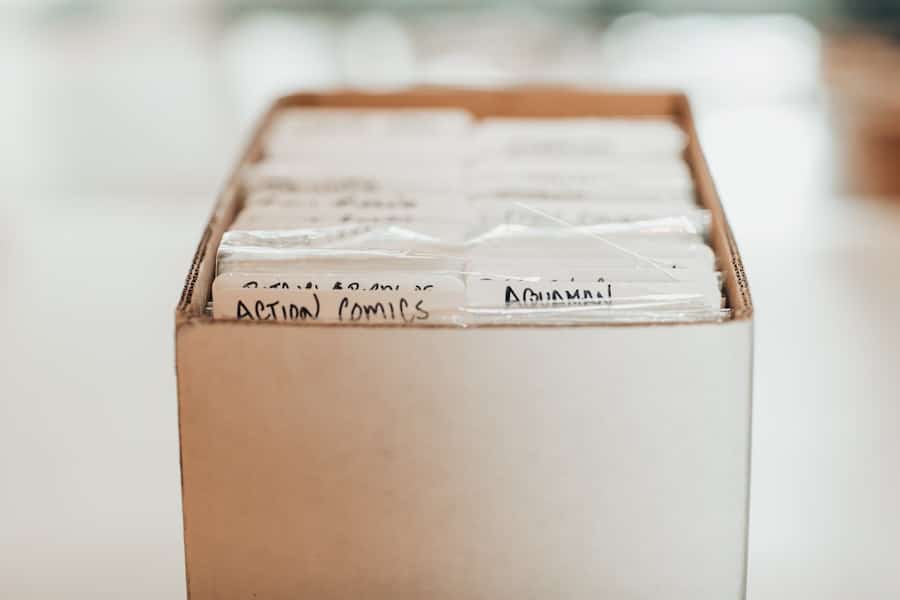
As you prepare for your move, don’t forget about arranging necessary services and utilities at your new location. This step is often overlooked amidst the chaos of packing and organizing but is crucial for ensuring a smooth transition into your new home. Start by contacting utility companies to set up services such as electricity, water, gas, internet, and cable well in advance of your move-in date.
Many companies allow you to schedule activation dates ahead of time, so take advantage of this option. In addition to utilities, consider other services that may be necessary upon moving in. If you’re relocating to a new area, research local services such as trash collection or recycling programs that may differ from what you’re used to.
You might also want to look into setting up home security systems or pest control services if applicable. By taking care of these arrangements ahead of time, you’ll ensure that everything is ready for you when you arrive at your new home.
Prepare Your Family and Pets for the Move
Moving can be an emotional experience for everyone involved—especially children and pets who may struggle with the changes that come with relocating. To help ease this transition for your family, start by having open conversations about the move well in advance. Discuss what they can expect in terms of new surroundings, schools, or neighborhoods.
Encourage them to express their feelings about leaving their current home and reassure them that it’s okay to feel sad or anxious. For pets, preparation is equally important. Animals can sense changes in their environment and may become stressed during a move.
To help them adjust, create a safe space in your current home where they can retreat during packing chaos. On moving day, consider having a friend or family member look after them so they aren’t overwhelmed by the hustle and bustle. Once you arrive at your new home, establish a familiar routine as soon as possible—set up their bed, toys, and feeding area right away to help them feel secure in their new environment.
Plan for a Smooth Transition and Settle into Your New Home
Finally, planning for a smooth transition into your new home is essential for making the adjustment period as seamless as possible. Once you’ve arrived at your new location, take some time to walk through the space before unpacking everything. Familiarize yourself with the layout and identify where each room will be set up—this will help guide your unpacking process more efficiently.
As you begin unpacking, focus on essential areas first—like the kitchen and bedrooms—so that everyone has access to necessary items right away. Consider hosting a small gathering with family or friends shortly after moving in; this can help create positive associations with your new space while allowing everyone to feel more settled in their new environment. Remember that settling into a new home takes time; give yourself grace as you adjust to this significant change in your life.
By following these steps throughout your moving process—from researching reputable movers to preparing your family—you’ll not only make the transition smoother but also create an opportunity for new beginnings in your new home.
If you are looking for professional movers in Texas, you may want to check out this article on Movers Moving Company in Amarillo, Texas. This article provides valuable information on how to choose the right moving company and prepare for a successful long-distance move. It offers tips on packing, organizing, and communicating with your movers to ensure a smooth relocation process. Additionally, if you are moving to Richardson, Texas, you can also read about Movers Moving Company in Richardson, Texas for more insights on how to make your move stress-free. And if you are relocating to Huntsville, Alabama, you can find helpful advice in the article on Movers Moving Company in Huntsville, Alabama.
FAQs
What are the benefits of hiring professional movers for a long-distance move?
Professional movers have the experience and expertise to handle long-distance moves efficiently and safely. They can provide packing services, transportation, and unpacking services, which can save time and reduce stress for the person moving.
How far in advance should I book professional movers for a long-distance move?
It is recommended to book professional movers for a long-distance move at least 8-12 weeks in advance. This allows for ample time to research and compare moving companies, obtain quotes, and secure a preferred moving date.
What should I do to prepare for the professional movers’ arrival?
Before the professional movers arrive, it is important to declutter and organize belongings, pack personal items, and label boxes clearly. It is also helpful to create a floor plan for the new home and communicate any specific instructions or requirements to the moving company.
What items should I pack and move myself, rather than leaving it to the professional movers?
It is recommended to pack and move valuable or sentimental items, important documents, and personal essentials yourself. This ensures that these items are handled with care and remain easily accessible during the move.
How can I ensure a successful long-distance move with professional movers?
To ensure a successful long-distance move with professional movers, it is important to communicate openly and clearly with the moving company, follow their guidelines and recommendations, and be organized and prepared for the moving day. It is also helpful to research and choose a reputable and reliable moving company.