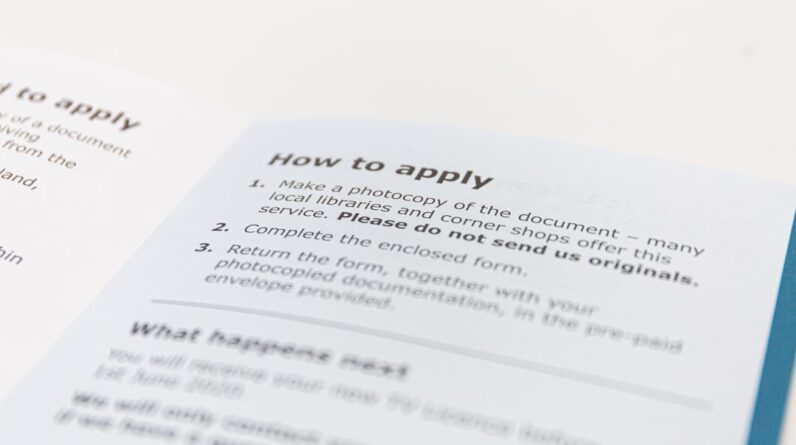
When you decide to hire a moving company, the first step is to carefully review the terms and conditions of your moving contract. This document outlines the responsibilities of both you and the moving company, detailing what services will be provided, the costs involved, and any potential liabilities. It’s essential to read through every clause, as this will help you understand your rights and obligations.
You may find terms that are unfamiliar or confusing, so don’t hesitate to ask questions. A reputable moving company will be more than willing to clarify any points that seem ambiguous. Moreover, pay close attention to the fine print.
Often, important details regarding cancellation policies, payment schedules, and additional fees can be buried in the contract’s minutiae. For instance, some companies may charge extra for services like packing or handling bulky items. By understanding these terms upfront, you can avoid unexpected charges and ensure that your move goes as smoothly as possible.
Remember, a well-informed customer is a satisfied customer, so take the time to familiarize yourself with every aspect of your moving contract.
Key Takeaways
- Understand the terms and conditions of your moving contract before signing
- Communicate any concerns or special requests with the moving company in advance
- Document any damages or losses during the moving process for potential reimbursement
- Consider seeking mediation or arbitration if there are disputes with the moving company
- Review your insurance coverage to ensure your belongings are adequately protected
- Seek legal advice if you encounter any legal issues or disputes during the moving process
- Provide feedback and reviews to help others make informed decisions about moving companies
- Take preventative measures for future moves by learning from past experiences and planning ahead
Communicating Concerns with the Moving Company
Once you’ve signed the contract and your moving date approaches, it’s crucial to maintain open lines of communication with your moving company. If you have any concerns—whether they relate to scheduling, pricing, or specific services—address them promptly. A proactive approach can prevent misunderstandings and ensure that both parties are on the same page.
You might find it helpful to keep a record of all communications, including emails and phone calls, as this documentation can be invaluable if issues arise later. If you encounter problems during the moving process, such as delays or unanticipated costs, don’t hesitate to voice your concerns. A professional moving company will appreciate your feedback and work with you to resolve any issues.
Effective communication can often lead to quick solutions, whether that means adjusting timelines or clarifying charges. Remember that you are a customer, and your satisfaction should be a priority for the moving company.
Documenting Damages or Losses

In the unfortunate event that damages or losses occur during your move, it’s essential to document everything meticulously. Start by taking photographs of your belongings before they are packed and loaded onto the truck. This visual record can serve as crucial evidence should you need to file a claim later on.
Additionally, make a detailed inventory list of all items being moved, noting their condition prior to the move. This list will not only help you keep track of your belongings but also provide a reference point if something goes missing or is damaged. If you notice any damages upon arrival at your new home, document them immediately.
Take pictures of the damaged items and make notes about how and when the damage occurred. This information will be vital when discussing the issue with your moving company or filing an insurance claim. The more thorough your documentation, the stronger your case will be if you need to seek compensation for lost or damaged items.
Seeking Mediation or Arbitration
If you find yourself in a dispute with your moving company that cannot be resolved through direct communication, consider seeking mediation or arbitration. These alternative dispute resolution methods can provide a more efficient and cost-effective way to settle disagreements without resorting to litigation. Mediation involves a neutral third party who helps facilitate discussions between you and the moving company, aiming for a mutually agreeable solution.
This process can often lead to satisfactory outcomes while preserving relationships. Arbitration, on the other hand, is more formal and involves an arbitrator who makes a binding decision based on the evidence presented by both parties. Many moving contracts include clauses that require disputes to be resolved through arbitration rather than in court.
Familiarize yourself with these clauses in your contract so you know what options are available should a conflict arise. Both mediation and arbitration can save you time and money compared to traditional legal proceedings, making them worthwhile options to consider.
Reviewing Insurance Coverage
Understanding your insurance coverage is another critical aspect of preparing for a move. Most moving companies offer various levels of insurance protection for your belongings during transit. Basic coverage may only reimburse you for a fraction of the item’s value if it gets damaged or lost, while full-value protection offers more comprehensive coverage.
Take the time to review these options carefully and choose the one that best fits your needs. Additionally, check if your homeowner’s or renter’s insurance policy covers items during a move. Some policies may provide additional protection that could save you money on purchasing extra coverage from the moving company.
If you decide to opt for additional insurance through the mover, ensure that you understand the claims process and any limitations that may apply. Being well-informed about your insurance options can provide peace of mind as you navigate the complexities of relocating.
Seeking Legal Advice

In some cases, disputes with a moving company may escalate beyond mediation or arbitration, necessitating legal advice. If you believe that your rights have been violated or if significant damages have occurred, consulting with an attorney who specializes in consumer rights or contract law can be beneficial. They can help you understand your legal options and guide you through the process of filing a claim or pursuing further action.
Before seeking legal counsel, gather all relevant documentation related to your move, including contracts, correspondence with the moving company, and any evidence of damages or losses. This information will help your attorney assess your situation more effectively and provide tailored advice based on your specific circumstances. While legal action should generally be a last resort, having professional guidance can empower you to make informed decisions about how to proceed.
Providing Feedback and Reviews
After your move is complete, take some time to reflect on your experience with the moving company. Providing feedback—whether positive or negative—can be incredibly valuable for both future customers and the company itself. If you had a great experience, consider leaving a positive review online or sharing your thoughts on social media.
Your endorsement can help others make informed decisions when choosing a mover. Conversely, if you encountered significant issues during your move, it’s equally important to share that feedback constructively. Many companies appreciate honest reviews as they provide opportunities for improvement.
When writing a review, focus on specific aspects of your experience—such as communication, timeliness, and professionalism—to give potential customers a clear picture of what they might expect. Your insights could help others avoid similar pitfalls while also encouraging companies to enhance their services.
Taking Preventative Measures for Future Moves
Finally, as you reflect on your recent move, consider what preventative measures you can take for future relocations. Start by creating a checklist that outlines all necessary steps leading up to the move—this can include researching moving companies, obtaining quotes, and preparing an inventory of items to be moved. A well-organized plan can significantly reduce stress and help ensure that nothing falls through the cracks.
Additionally, consider investing in quality packing materials and supplies to protect your belongings better during transit. Using sturdy boxes, bubble wrap, and packing tape can minimize the risk of damage to fragile items. If possible, enlist friends or family members to assist with packing and organizing; having extra hands can make the process more manageable and enjoyable.
By taking these proactive steps, you can set yourself up for success in future moves while minimizing potential challenges along the way. In conclusion, navigating the complexities of a move requires careful planning and attention to detail at every stage—from understanding contracts to providing feedback after the process is complete. By being proactive and informed throughout each step of your relocation journey, you can ensure a smoother experience while protecting yourself from potential issues down the line.
When it comes to resolving disputes or concerns during or after a long-distance move with professional movers, it is important to have a clear understanding of the protocols in place. One related article that provides valuable information on this topic is Local Removal Companies Near Me. This article discusses the importance of hiring reputable and reliable moving companies to avoid potential disputes and offers tips on how to handle any issues that may arise during the moving process. Additionally, articles such as Movers Moving Company in Wilmington, North Carolina and Movers Moving Company in Modesto, California may also provide insights on how to effectively communicate with professional movers and address any concerns that may come up during a long-distance move.
FAQs
What are some common disputes or concerns that may arise during or after a long-distance move with professional movers?
Some common disputes or concerns that may arise during or after a long-distance move with professional movers include damaged or lost items, unexpected additional charges, delays in delivery, and poor communication from the moving company.
Are there specific protocols for resolving disputes or concerns with professional movers?
Yes, many professional moving companies have specific protocols in place for resolving disputes or concerns. These may include filing a claim for damaged or lost items, addressing additional charges through a formal process, and providing a designated point of contact for communication.
What steps should I take if I have a dispute or concern with my professional movers?
If you have a dispute or concern with your professional movers, it is important to first try to resolve the issue directly with the moving company. If this does not lead to a satisfactory resolution, you may need to escalate the matter by filing a formal complaint or claim with the company or seeking assistance from a regulatory agency or industry association.
How can I prevent disputes or concerns during a long-distance move with professional movers?
To prevent disputes or concerns during a long-distance move with professional movers, it is important to thoroughly research and vet potential moving companies before hiring them. Additionally, carefully review and understand the terms of the moving contract, communicate clearly with the moving company throughout the process, and consider purchasing additional insurance for valuable items.