When you decide to move locally, it’s essential to grasp the entire moving process to ensure a smooth transition. The first step involves creating a timeline that outlines your moving schedule. This timeline should include key dates such as when to start packing, when to hire movers, and when to notify utility companies of your move.
By establishing a clear timeline, you can avoid last-minute chaos and ensure that every aspect of your move is well-planned. Additionally, understanding the local moving process means familiarizing yourself with the various tasks involved. From decluttering your home to organizing your belongings, each step plays a crucial role in making your move efficient.
You might find it helpful to create a checklist that details everything you need to accomplish before moving day. This could include sorting through your possessions, deciding what to keep or donate, and ensuring that you have all necessary supplies like boxes and packing tape. By breaking down the process into manageable tasks, you can alleviate some of the stress that often accompanies moving.
Key Takeaways
- Understanding the local moving process involves knowing the timeline, costs, and logistics of a short-distance move.
- Choosing the right professional moving company requires research, comparing quotes, and checking for licenses and insurance.
- Packing and organizing for a local move involves decluttering, labeling boxes, and creating a moving checklist.
- Navigating local regulations and permits may be necessary for parking, building access, and noise restrictions during the move.
- Ensuring the safety of your belongings during a local move involves proper packing, securing valuable items, and using professional movers with a good track record.
Choosing the Right Professional Moving Company
Research and Recommendations
Start by conducting thorough research on local movers in your area. Look for companies with positive reviews and testimonials from previous clients. You can also ask friends or family for recommendations based on their own experiences.
Getting Quotes and Asking Questions
A reputable moving company will not only have a solid track record but will also be transparent about their pricing and services. Once you have a shortlist of potential movers, it’s wise to reach out for quotes. Many companies offer free estimates, which can help you gauge the cost of your move. During this process, don’t hesitate to ask questions about their experience, insurance coverage, and any additional fees that may arise.
Making the Right Choice
A trustworthy moving company will be more than willing to provide you with detailed information and address any concerns you may have. Ultimately, choosing the right movers can make all the difference in ensuring that your local move is executed smoothly and efficiently.
Packing and Organizing for a Local Move
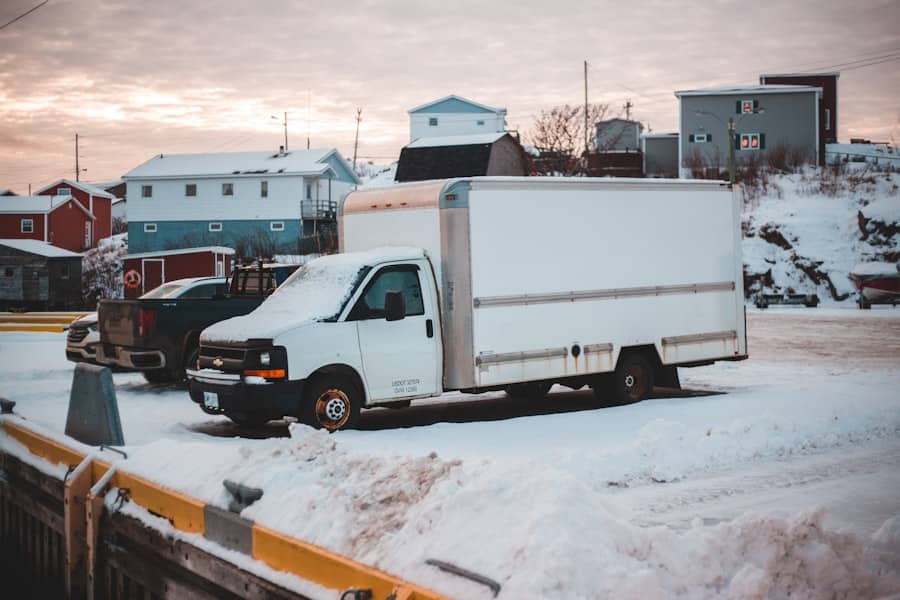
Packing for a local move can be both exciting and overwhelming. To make the process more manageable, start by gathering all necessary packing supplies, including boxes of various sizes, bubble wrap, packing paper, and tape. As you begin packing, consider organizing your belongings by room or category.
This method not only simplifies the packing process but also makes unpacking at your new home much easier. As you pack, take the opportunity to declutter your space. Go through each room and decide what items you truly need and what can be donated or discarded.
This not only lightens your load but also allows you to start fresh in your new home without unnecessary clutter. Labeling boxes clearly with their contents and the room they belong to can save you time and frustration when it comes time to unpack. By approaching packing with a strategic mindset, you can turn what often feels like a daunting task into a more organized and efficient process.
Navigating Local Regulations and Permits
When planning a local move, it’s crucial to be aware of any local regulations or permits that may be required. Depending on your city or neighborhood, there may be specific rules regarding parking for moving trucks or restrictions on moving during certain hours. Researching these regulations ahead of time can help you avoid potential fines or complications on moving day.
In some cases, you may need to obtain a permit for parking a moving truck in front of your new home or along the street. Contact your local city or municipal office to inquire about any necessary permits and the application process. It’s also wise to communicate with your neighbors about your move, especially if it may cause temporary disruptions in parking or access.
By being proactive about local regulations and maintaining open communication with those around you, you can ensure a smoother moving experience.
Ensuring the Safety of Your Belongings During a Local Move
The safety of your belongings during a local move is paramount. To protect your items from damage, invest in high-quality packing materials that provide adequate cushioning and support. For fragile items, consider using bubble wrap or packing paper to prevent breakage during transit.
Additionally, be mindful of how you load the moving truck; heavier items should be placed at the bottom, while lighter items can go on top. Another important aspect of ensuring safety is properly securing your belongings within the moving vehicle. Use straps or ropes to keep boxes from shifting during transport.
If you’re hiring professional movers, they will have experience in safely loading and unloading items, but it’s still beneficial to discuss any specific concerns you may have regarding fragile or valuable possessions. By taking these precautions, you can minimize the risk of damage and arrive at your new home with everything intact.
Managing the Logistics of a Local Move

Creating a Detailed Inventory
Managing the logistics of a local move involves careful planning and coordination to ensure everything goes off without a hitch. Start by creating a detailed inventory of all your belongings, which will help you keep track of what needs to be moved and what can be left behind. This inventory will also serve as a reference point when unpacking at your new home.
Timing is Everything
In addition to inventory management, consider the timing of your move. Weekends are often popular for moving, but they can also be more crowded and chaotic. If possible, try scheduling your move during weekdays when traffic is lighter and parking is more accessible.
Staying Organized and Proactive
Communicate with your movers about your preferred timeline and any specific logistical challenges you anticipate. By staying organized and proactive about logistics, you can help ensure that your local move proceeds smoothly.
Communicating with Your Professional Movers
Effective communication with your professional movers is essential for a successful local move. Before moving day arrives, take the time to discuss any specific instructions or concerns you may have regarding your belongings. This could include special handling for fragile items or particular routes you prefer they take when transporting your possessions.
On moving day itself, maintain open lines of communication with the movers as they work. If any unexpected issues arise—such as inclement weather or access problems—being able to discuss these matters in real-time can help facilitate quick solutions. Additionally, providing feedback during the process can help ensure that everything is handled according to your expectations.
By fostering clear communication with your movers, you can create an environment where everyone is on the same page, leading to a more efficient and stress-free moving experience.
Settling into Your New Local Community
Once you’ve successfully completed your local move, it’s time to settle into your new community. Take some time to explore your neighborhood and familiarize yourself with nearby amenities such as grocery stores, parks, and restaurants. Engaging with local businesses not only helps you acclimate but also supports the community you’re now a part of.
Additionally, consider reaching out to neighbors to introduce yourself and build connections within your new community. Attending local events or joining community groups can also provide opportunities to meet new people and establish friendships. As you settle in, remember that creating a sense of home takes time; allow yourself the space to adjust and enjoy this new chapter in your life.
By actively engaging with your surroundings and building relationships, you’ll soon feel right at home in your new local community.
If you’re interested in learning more about professional moving services, you may want to check out this article on Movers Moving Company in Memphis, Tennessee. This piece provides valuable insights into the benefits of hiring a reputable moving company for your local or long-distance move. It complements the information shared in “Bridging the Gap: Mastering Local Moves with Professional Precision” by highlighting the importance of professional expertise in ensuring a smooth and stress-free moving experience.
FAQs
What are local moves?
Local moves refer to relocations within the same city or metropolitan area. These moves typically involve shorter distances and can be completed in a single day.
Why is professional precision important for local moves?
Professional precision is important for local moves to ensure that the relocation is carried out efficiently, safely, and without any hiccups. Professional movers have the expertise and resources to handle local moves with precision.
What are the benefits of hiring professional movers for local moves?
Hiring professional movers for local moves can save time and effort, reduce the risk of damage to belongings, and provide peace of mind. Professional movers also have the necessary equipment and vehicles to handle the relocation.
What services do professional movers offer for local moves?
Professional movers offer a range of services for local moves, including packing and unpacking, loading and unloading, transportation, and even storage options if needed. They can also provide moving supplies and materials.
How can individuals prepare for a local move with professional precision?
To prepare for a local move with professional precision, individuals can start by decluttering and organizing their belongings, creating a moving checklist, and communicating their specific requirements and expectations with the professional movers.