When considering a move to Baltimore, one of the first aspects you’ll want to evaluate is the overall cost of living. Baltimore, known for its rich history and vibrant culture, offers a unique blend of urban and suburban lifestyles. The cost of living here is generally lower than in many major cities on the East Coast, such as New York City or Washington, D.However, it can still be higher than the national average, depending on your lifestyle choices and where you choose to live within the city.
You’ll find that housing, transportation, and daily expenses can vary significantly across different neighborhoods. For instance, areas like Fells Point and Harbor East may come with a premium price tag due to their proximity to waterfront attractions and nightlife. On the other hand, neighborhoods like Preakness or West Baltimore may offer more affordable options.
Understanding these nuances will help you create a realistic budget as you plan your move.
Key Takeaways
- Cost of living in Baltimore is relatively affordable compared to other major cities on the East Coast.
- Housing prices in Baltimore vary by neighborhood, with some areas being more expensive than others.
- When moving to Baltimore, consider the costs of hiring professional moving services and any associated fees.
- Transportation costs in Baltimore can include public transit, parking, and potential tolls for commuters.
- Utility costs in Baltimore can include electricity, water, gas, and internet services.
- Miscellaneous expenses when moving to Baltimore may include furniture, home decor, and other household items.
- Budgeting tips for moving to Baltimore include researching neighborhoods, creating a moving checklist, and setting aside funds for unexpected expenses.
- When comparing moving costs to other cities, Baltimore may offer more affordable options for housing and living expenses.
Housing Prices in Baltimore
Housing prices in Baltimore can be quite diverse, reflecting the city’s eclectic neighborhoods and varying amenities. If you’re looking to rent, you might find that a one-bedroom apartment in the city center averages around $1,800 per month, while the same apartment outside the downtown area could be closer to $1,200. If you’re considering buying a home, the median home price hovers around $250,000, which is relatively affordable compared to other metropolitan areas.
However, it’s essential to keep in mind that housing prices can fluctuate based on market conditions and demand. For example, homes in desirable neighborhoods may see bidding wars that drive prices up significantly. Additionally, factors such as property taxes and homeowners’ association fees can add to your overall housing costs.
Therefore, it’s wise to conduct thorough research and possibly consult with a local real estate agent to find the best options that fit your budget.
Moving Services and Fees
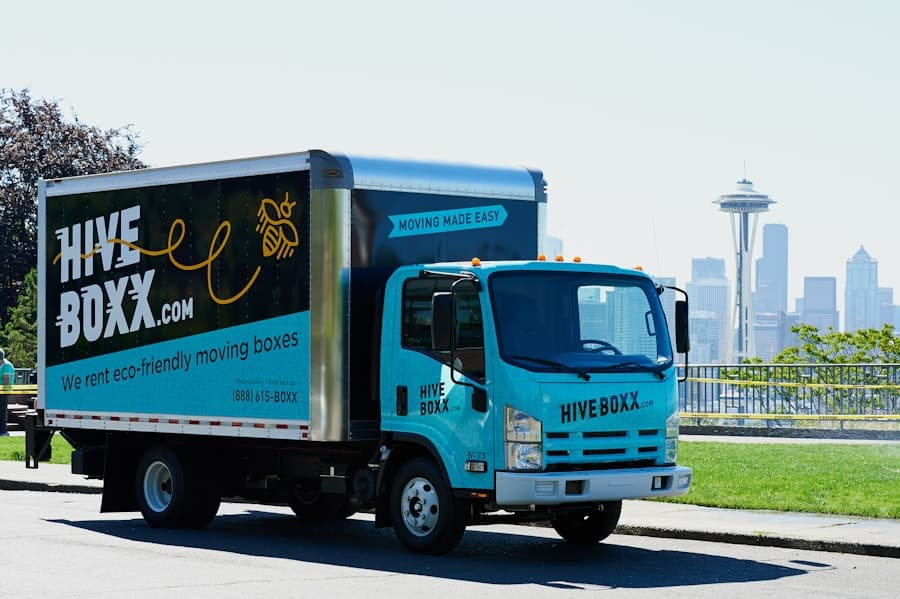
When planning your move to Baltimore, you’ll need to consider the costs associated with hiring moving services. Depending on the distance of your move and the amount of belongings you have, hiring professional movers can range from a few hundred to several thousand dollars. Local moves within Maryland are typically less expensive than long-distance relocations, but you should still budget for packing supplies, labor costs, and any additional services you may require.
If you’re looking to save money, you might consider a DIY approach by renting a moving truck. This option can significantly reduce your expenses but requires more effort on your part. Be sure to factor in fuel costs and any potential tolls along your route.
Regardless of which option you choose, obtaining quotes from multiple moving companies will help you find the best deal while ensuring that your belongings are handled with care.
Transportation Costs
Transportation costs in Baltimore can vary widely based on your commuting habits and lifestyle choices. If you plan to rely on public transportation, the Maryland Transit Administration (MTA) offers a range of options including buses and light rail services. A monthly pass for unlimited rides typically costs around $72, making it an economical choice for daily commuters.
The city is also known for its bike-friendly infrastructure, which can provide a cost-effective and healthy alternative for getting around. If you prefer driving, consider the costs associated with owning a vehicle in Baltimore. Gas prices tend to fluctuate but are generally in line with national averages.
Additionally, parking can be a challenge in certain areas, often requiring you to pay for metered spots or parking garages. It’s essential to weigh these factors when deciding how you’ll navigate the city after your move.
Utility Costs
Utility costs are another important aspect to consider when budgeting for your new life in Baltimore. On average, residents can expect to pay around $150 to $200 per month for basic utilities such as electricity, heating, cooling, water, and garbage collection. However, this figure can vary based on the size of your home and your personal usage habits.
For instance, larger homes or those with older heating systems may incur higher utility bills. Internet and cable services are also essential for most households. High-speed internet plans typically start at around $50 per month, while cable packages can add another $100 or more depending on the channels and services you choose.
It’s advisable to shop around for utility providers and compare rates to ensure you’re getting the best deals available.
Miscellaneous Expenses

In addition to housing and utility costs, there are various miscellaneous expenses that you should factor into your budget when moving to Baltimore. Groceries are generally affordable compared to other cities; however, prices can vary based on where you shop. Local farmers’ markets often provide fresh produce at reasonable prices and can be a great way to support local businesses while enjoying quality food.
Entertainment and dining out are also significant components of your budget. Baltimore boasts a vibrant culinary scene with numerous restaurants offering everything from seafood to international cuisine. While dining out can be enjoyable, it’s essential to keep track of how often you indulge in meals outside your home.
Additionally, consider budgeting for activities such as museum visits or sporting events, which can add up quickly if not planned carefully.
Budgeting Tips for Moving to Baltimore
Creating a budget for your move to Baltimore is crucial for ensuring a smooth transition without financial stress. Start by listing all potential expenses associated with your move, including housing costs, moving services, transportation fees, utilities, groceries, and entertainment. This comprehensive approach will give you a clearer picture of what to expect financially.
One effective budgeting tip is to set aside an emergency fund specifically for unexpected expenses that may arise during your move or shortly after settling in. This fund can help cover unforeseen costs such as repairs or additional moving fees that weren’t initially anticipated. Additionally, consider using budgeting apps or spreadsheets to track your spending and stay within your financial limits as you adjust to life in Baltimore.
Comparison of Moving Costs to Other Cities
When comparing moving costs to other cities across the United States, Baltimore often presents itself as an attractive option due to its relatively affordable housing market and lower overall cost of living compared to cities like San Francisco or Boston. For instance, while the average rent for a one-bedroom apartment in San Francisco can exceed $3,000 per month, Baltimore offers more reasonable alternatives without sacrificing access to urban amenities. Moreover, transportation costs in Baltimore are generally lower than those in cities with extensive public transit systems like New York City or Chicago.
This affordability extends beyond just housing; it encompasses utilities and everyday expenses as well. By evaluating these factors against other metropolitan areas, you’ll likely find that moving to Baltimore provides a balanced lifestyle that doesn’t break the bank. In conclusion, moving to Baltimore involves careful consideration of various financial aspects including housing prices, transportation costs, utilities, and miscellaneous expenses.
By understanding these elements and implementing effective budgeting strategies, you can make an informed decision about relocating to this vibrant city while ensuring that your financial health remains intact during the transition.
If you are considering moving to Baltimore, you may also be interested in reading about the cost of moving to other cities. For example, you can check out this article on the cost of moving to New York City, which provides insights into the expenses involved in relocating to the Big Apple. Additionally, you can explore the expenses associated with moving to Manchester, New Hampshire or Murfreesboro, Tennessee to compare and contrast the costs of moving to different cities.
FAQs
What are the average moving costs to Baltimore?
The average cost of moving to Baltimore can vary depending on factors such as the distance of the move, the amount of belongings being transported, and the moving company chosen. On average, local moves within Baltimore can cost between $300 to $1,500, while long-distance moves can range from $1,500 to $5,000 or more.
What factors can affect the cost of moving to Baltimore?
Several factors can affect the cost of moving to Baltimore, including the distance of the move, the size of the home or apartment, the amount of belongings being transported, the time of year, and the specific services required from the moving company.
What are some ways to save money on moving to Baltimore?
To save money on moving to Baltimore, consider decluttering and downsizing belongings before the move, packing and unpacking belongings yourself, comparing quotes from multiple moving companies, and scheduling the move during off-peak times to potentially receive lower rates.
Are there additional costs to consider when moving to Baltimore?
In addition to the cost of hiring a moving company, individuals should also consider additional costs such as packing materials, insurance, storage fees, and any potential fees for moving large or specialty items. It’s important to factor in these additional costs when budgeting for a move to Baltimore.