When preparing for a move, the first step you should take is to assess the sensitivity of your documents and items. This process involves evaluating what you own and determining which items require special attention during the relocation. You might find that some documents, such as personal identification, financial records, medical files, and legal papers, hold significant importance and should be treated with extra care.
By identifying these sensitive items early on, you can create a plan that ensures their safety throughout the moving process. In addition to documents, consider the sensitivity of physical items such as electronics, jewelry, and heirlooms. These possessions may not only have monetary value but also sentimental significance.
You should take the time to categorize your belongings based on their sensitivity and vulnerability to damage or loss. This assessment will help you prioritize which items need to be packed securely and which can be handled with less caution. By being thorough in this evaluation, you can minimize the risk of losing or damaging your most important possessions during the move.
Key Takeaways
- Assess the sensitivity of your documents and items to determine the level of security needed during the move.
- Secure proper packing materials such as bubble wrap, packing paper, and sturdy boxes to protect sensitive items during transportation.
- Consider using a professional moving company with experience in handling sensitive documents and items to ensure their safe and secure transport.
- Implement extra security measures such as using tamper-evident seals or GPS tracking for high-value items during the move.
- Keep an inventory of your sensitive items to track their location and ensure nothing goes missing during the move.
- Utilize lockable storage containers to add an extra layer of security for sensitive items during the moving process.
- Consider using a secure document shredding service to securely dispose of sensitive documents that are no longer needed.
- Update your insurance coverage to include any valuable or sensitive items being moved to ensure they are fully protected during the relocation.
Secure Proper Packing Materials
Once you have assessed the sensitivity of your items, the next step is to secure proper packing materials. The right materials can make a significant difference in ensuring that your belongings arrive at your new location in pristine condition. You should consider investing in high-quality boxes, bubble wrap, packing tape, and protective padding.
While it may be tempting to use old boxes or flimsy materials, doing so could jeopardize the safety of your sensitive items. When selecting packing materials, think about the specific needs of your belongings. For instance, fragile items like glassware or electronics require extra cushioning to prevent breakage.
You might want to use bubble wrap or foam inserts for these items, while sturdier boxes can be used for heavier objects. Additionally, labeling your boxes clearly will help you identify their contents quickly and ensure that sensitive items are handled with care during the unpacking process. By taking the time to gather appropriate packing materials, you can significantly reduce the risk of damage during your move.
Consider Using a Professional Moving Company
If you find the moving process overwhelming or if you have a significant number of sensitive items, it may be wise to consider using a professional moving company. These experts are trained to handle various types of belongings and can provide specialized services tailored to your needs. Hiring professionals can alleviate much of the stress associated with moving, allowing you to focus on other important aspects of your transition.
When selecting a moving company, do thorough research to find one that has a solid reputation for handling sensitive items. Look for reviews and testimonials from previous clients to gauge their reliability and professionalism. Additionally, inquire about their insurance coverage and policies regarding damaged or lost items.
A reputable moving company will offer peace of mind by ensuring that your belongings are in safe hands throughout the entire moving process.
Implement Extra Security Measures
In addition to careful packing and professional assistance, implementing extra security measures can further protect your sensitive items during a move. One effective strategy is to keep your most valuable documents and belongings with you rather than placing them in a moving truck. This way, you can maintain control over their safety and ensure they are not lost or damaged during transit.
You might also consider using security features such as locks or tamper-proof seals on boxes containing sensitive items. This added layer of protection can deter theft and provide you with peace of mind as you navigate through the moving process. Furthermore, if you are moving long distances or across state lines, it may be beneficial to research local laws regarding transporting sensitive materials.
By being proactive about security, you can significantly reduce the risk of loss or damage during your move.
Keep an Inventory of Your Sensitive Items
Creating an inventory of your sensitive items is an essential step in ensuring their safety during a move. This list will serve as a reference point for what you own and will help you keep track of your belongings throughout the relocation process. You should include details such as descriptions, serial numbers, and estimated values for each item.
This inventory will not only assist you in organizing your packing but also provide documentation in case any items go missing or are damaged. As you compile your inventory, consider using digital tools or apps designed for this purpose. These platforms often allow you to upload photos and store information securely in the cloud, making it easy to access your inventory from anywhere.
Additionally, having a digital record can simplify the claims process if you need to file an insurance claim for lost or damaged items. By keeping an accurate inventory, you can ensure that all your sensitive belongings are accounted for during and after the move.
Utilize Lockable Storage Containers
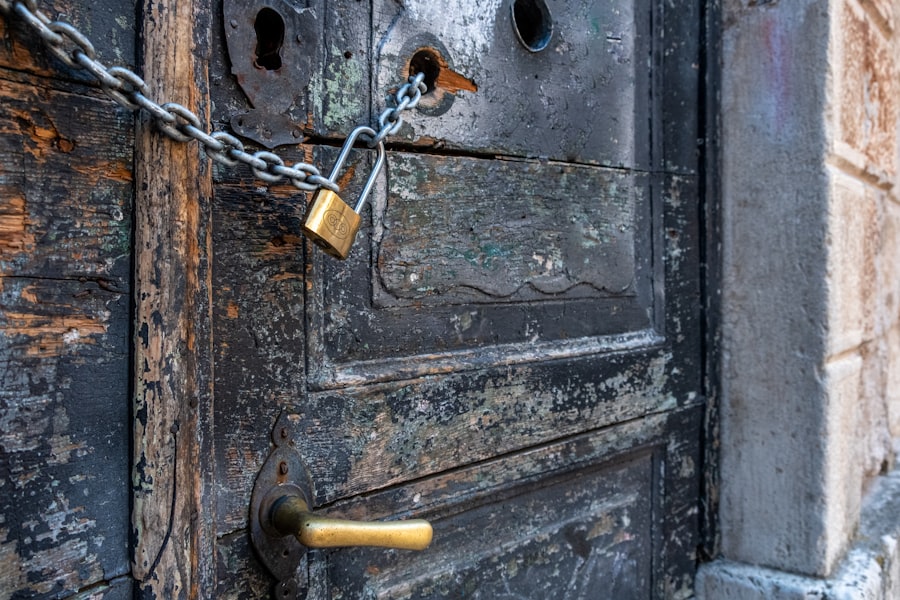
For added security during your move, utilizing lockable storage containers can be an excellent option for safeguarding your sensitive items. These containers provide a secure way to store valuable documents and belongings while also allowing for easy transport. You might consider investing in high-quality lockable boxes or portable safes that are specifically designed for this purpose.
When using lockable storage containers, ensure that they are sturdy and reliable. Look for options made from durable materials that can withstand potential impacts during transit. Additionally, make sure to keep the keys or combinations secure and accessible only to trusted individuals.
By using lockable storage containers, you can enhance the security of your sensitive items and reduce anxiety about their safety during the moving process.
Consider Using a Secure Document Shredding Service
As you prepare for your move, it’s essential to evaluate whether any documents need to be disposed of securely. Sensitive information such as old tax returns, bank statements, or personal identification should not simply be thrown away; instead, consider using a secure document shredding service. This service ensures that confidential information is destroyed properly, preventing identity theft or unauthorized access to your personal data.
When selecting a shredding service, look for companies that offer on-site shredding options where you can witness the destruction of your documents firsthand. This transparency can provide peace of mind that your sensitive information is being handled responsibly. Additionally, many shredding services offer certificates of destruction as proof that your documents have been securely disposed of.
By taking advantage of these services, you can declutter your space while ensuring that your sensitive information remains protected.
Update Your Insurance Coverage
Finally, as you prepare for your move, it’s crucial to update your insurance coverage to reflect any changes in your belongings or living situation. Review your current policy to ensure it adequately covers all sensitive items during transit and at your new location. If necessary, consider adding additional coverage specifically for high-value items such as jewelry or collectibles.
You should also inquire about any specific policies related to moving companies if you choose to hire one. Some moving companies offer their own insurance options that may provide additional protection for your belongings during transit. By taking the time to review and update your insurance coverage, you can safeguard against potential losses and ensure that you are adequately protected throughout the moving process.
In conclusion, moving can be a daunting task, especially when it comes to handling sensitive documents and valuable items. By assessing the sensitivity of your belongings, securing proper packing materials, considering professional assistance, implementing security measures, keeping an inventory, utilizing lockable storage containers, using shredding services, and updating insurance coverage, you can significantly reduce risks associated with moving. Taking these proactive steps will not only protect your valuable possessions but also provide peace of mind as you embark on this new chapter in your life.
When planning a long-distance move, it is crucial to take the necessary measures to protect your sensitive or confidential documents and items. One helpful article that provides tips on how to safeguard your belongings during a move can be found at https://movers-company.com/movers-moving-company-columbia-missouri/. This article offers valuable advice on packing, labeling, and securing your important documents and items to ensure they arrive safely at your new destination. By following these guidelines, you can have peace of mind knowing that your sensitive information is protected during the moving process.
FAQs
What are some measures to protect sensitive or confidential documents and items during a long-distance move?
Some measures to protect sensitive or confidential documents and items during a long-distance move include using secure packaging materials, labeling boxes as “confidential,” and keeping the items with you during the move if possible.
What are some secure packaging materials to use for sensitive documents and items?
Secure packaging materials for sensitive documents and items include sturdy boxes, bubble wrap, packing paper, and packing tape. It’s important to use materials that will provide cushioning and protection during the move.
How should I label boxes containing sensitive or confidential items?
Boxes containing sensitive or confidential items should be labeled as “confidential” or “sensitive” to alert movers and others handling the items to exercise caution and discretion.
Is it better to keep sensitive documents and items with me during the move?
If possible, it is better to keep sensitive documents and items with you during the move to ensure their security. This may involve transporting them in your personal vehicle or using a secure shipping method.
What should I do if I need to temporarily store sensitive documents and items during the move?
If you need to temporarily store sensitive documents and items during the move, consider using a secure storage facility with climate control and security measures in place to protect the items from theft, damage, or unauthorized access.