When you move into a new space, one of the first challenges you face is figuring out how to arrange your furniture. You may have a beautiful sofa that you love, but if it doesn’t fit the dimensions of your new living room, it can quickly become a source of frustration. You might find yourself trying to squeeze it into a corner or forcing it against a wall, only to realize that it disrupts the flow of the room.
This mismatch can lead to an uncomfortable living environment, where you feel cramped and unable to enjoy your space fully. Moreover, furniture that doesn’t fit can also impact your overall aesthetic. A large dining table in a small kitchen can make the area feel cluttered and uninviting.
You may have to compromise on style and comfort, opting for smaller pieces that don’t reflect your personal taste. It’s essential to measure your space before moving in and consider the scale of your furniture. By doing so, you can create a harmonious environment that feels both functional and visually appealing.
Key Takeaways
- Furniture that doesn’t fit: Consider measuring doorways and hallways before purchasing large furniture to ensure it will fit in your home.
- Perishable food items: Check expiration dates regularly and dispose of any expired items to avoid food poisoning.
- Hazardous materials: Properly dispose of hazardous materials such as batteries, paint, and chemicals to protect the environment and your health.
- Large collections of books or magazines: Consider donating or selling excess books and magazines to free up space and reduce clutter.
- Appliances that are outdated or not compatible: Upgrade outdated appliances to improve energy efficiency and functionality in your home.
Perishable food items
When it comes to packing for a move, perishable food items can be one of the trickiest categories to manage. You might be tempted to pack up your fridge and freezer, thinking you can use everything up before the big day. However, this often leads to wasted food and unnecessary stress.
Perishables like dairy products, meats, and fresh produce have a limited shelf life, and transporting them can be a logistical nightmare. You may find yourself scrambling to consume everything before it spoils or dealing with the mess of leaking containers during transit. Instead of trying to move perishable items, consider planning meals that utilize what you have left in your fridge as moving day approaches.
This not only helps reduce waste but also allows you to enjoy some home-cooked meals before the transition. Additionally, donating non-perishable food items to local shelters or food banks can be a great way to lighten your load while helping those in need. By being strategic about your food inventory, you can make your move smoother and more efficient.
Hazardous materials
When preparing for a move, it’s crucial to be aware of hazardous materials that may be lurking in your home. Items such as paint, cleaning supplies, batteries, and certain types of electronics can pose significant risks during transportation. Not only are these materials potentially harmful to your health, but they can also create dangerous situations if not handled properly.
Many moving companies have strict policies against transporting hazardous materials, which means you’ll need to find alternative ways to dispose of or store these items. To ensure a safe moving experience, take the time to go through your belongings and identify any hazardous materials. Research local disposal guidelines for these items, as many communities offer special collection days or drop-off locations for hazardous waste.
By taking proactive steps to manage these materials before your move, you can protect yourself and others while ensuring compliance with safety regulations.
Large collections of books or magazines
If you’re an avid reader or collector of magazines, you may find yourself facing a daunting task when it comes time to move. Large collections of books or magazines can be heavy and cumbersome, making them challenging to pack and transport. You might feel attached to every volume on your shelf, but the reality is that moving them can add significant weight and bulk to your load.
This can lead to increased moving costs and logistical challenges when trying to fit everything into your vehicle or moving truck. Consider evaluating your collection before packing it up. You might discover that there are books you no longer read or magazines that have lost their relevance.
Donating or selling these items can lighten your load and give someone else the opportunity to enjoy them. Additionally, think about digital alternatives for some of your reading material. E-books and online subscriptions can save space and make it easier to access your favorite content without the physical burden of carrying it all.
Appliances that are outdated or not compatible
As technology advances, appliances can quickly become outdated or incompatible with newer systems in your home. If you’re moving into a new space, you may find that your old refrigerator or washing machine doesn’t fit the available connections or dimensions. This situation can lead to frustration as you realize that what once served you well is now an obstacle in your new environment.
It’s essential to assess the compatibility of your appliances with your new home before making the move. If you discover that certain appliances won’t work in your new space, consider whether it’s worth the effort to transport them at all. Sometimes, investing in newer models that are energy-efficient and compatible with modern technology can save you time and money in the long run.
Additionally, many retailers offer trade-in programs or discounts for upgrading appliances, making it easier for you to transition into your new home without the hassle of outdated equipment.
Plants
Preparing Your Plants for the Journey
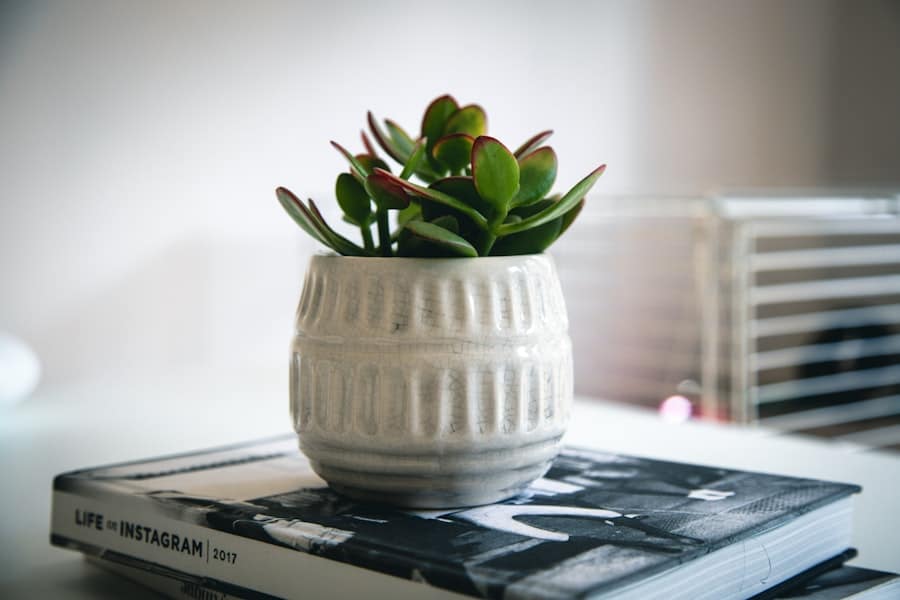
Before moving day arrives, take the time to research the best practices for transporting plants safely. Consider repotting them into smaller containers if necessary and ensuring they are well-watered before the move.
Checking Local Regulations
Additionally, check local regulations regarding plant transportation to avoid any issues upon arrival at your new destination.
What to Do with Fragile Plants
If some plants are too large or fragile for the journey, consider giving them away to friends or family who will appreciate them.
Personal documents and valuables
When preparing for a move, one of the most critical aspects is ensuring the safety of your personal documents and valuables. Important papers such as passports, birth certificates, financial records, and legal documents should never be packed away with general household items. Instead, keep these documents in a secure folder or box that you carry with you during the move.
This way, you can easily access them when needed without worrying about misplacing them during the transition. In addition to personal documents, consider how you will handle valuable items such as jewelry or heirlooms. These items often hold sentimental value and should be treated with care during the moving process.
If possible, transport them personally rather than placing them in a moving truck where they could be lost or damaged. By taking extra precautions with your important documents and valuables, you can ensure peace of mind throughout the moving experience.
Unused or unnecessary items
As you prepare for a move, it’s an excellent opportunity to declutter and assess what items in your home are truly necessary. Many people accumulate unused or unnecessary items over time—clothes that no longer fit, kitchen gadgets that have never been used, or decor pieces that no longer match their style. Moving is the perfect time to evaluate these belongings and decide what should stay and what should go.
Consider hosting a garage sale or donating items that are still in good condition but no longer serve a purpose in your life. Not only will this lighten your load for the move, but it will also provide someone else with the chance to enjoy what you no longer need. Additionally, embracing minimalism can lead to a more organized living space in your new home, allowing you to focus on what truly matters without being weighed down by excess belongings.
By taking the time to sort through unused items before moving day arrives, you’ll create a fresh start in your new environment while simplifying your life overall.
When planning a long distance move, it’s important to carefully consider what items to bring with you and what to leave behind. One article that provides helpful tips on this topic is “Movers Moving Company Santa Clarita California”. This article offers insights on how to streamline your belongings for a more efficient and cost-effective move. By following the advice in this article, you can avoid the hassle of transporting unnecessary items and make your long distance move a smoother experience.
FAQs
What are some items that should not be taken on a long distance move?
Some items that should not be taken on a long distance move include perishable food items, hazardous materials, and items that are easily replaceable.
Why should perishable food items not be taken on a long distance move?
Perishable food items should not be taken on a long distance move because they may spoil during the journey, leading to unpleasant odors and potential messes in the moving truck.
What are examples of hazardous materials that should not be taken on a long distance move?
Examples of hazardous materials that should not be taken on a long distance move include flammable liquids, corrosive chemicals, and explosive materials. These items pose a safety risk during transportation.
Why should easily replaceable items not be taken on a long distance move?
Easily replaceable items should not be taken on a long distance move because it is often more cost-effective to purchase new items at the destination rather than paying to transport them over a long distance.