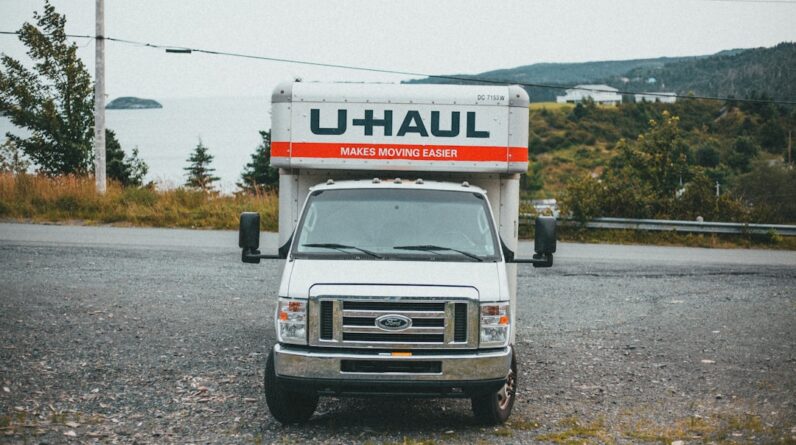
When it comes to relocating, one of the most crucial steps you can take is researching professional movers. You want to ensure that you choose a company that not only meets your needs but also provides a reliable and trustworthy service. Start by gathering recommendations from friends, family, or colleagues who have recently moved.
Their firsthand experiences can offer valuable insights into which companies are reputable and which ones to avoid. Additionally, online reviews and ratings can provide a broader perspective on various moving companies. Websites like Yelp, Google Reviews, and the Better Business Bureau can be excellent resources for assessing the credibility of potential movers.
Once you have a list of potential movers, delve deeper into their services. Look for companies that specialize in long-distance moves if that’s what you require. Check if they have the necessary licenses and insurance to operate in your area.
It’s also wise to inquire about their experience with moves similar to yours. A company that has successfully handled numerous long-distance relocations will likely be more adept at navigating the challenges that come with such moves. Don’t hesitate to reach out to these companies for quotes and ask about their policies regarding delays, cancellations, and any additional fees that may arise during the process.
Key Takeaways
- Researching Professional Movers:
- 1. Check online reviews and ask for recommendations from friends and family.
- 2. Verify the company’s credentials and licenses before hiring them.
- Budgeting for a Long-Distance Move:
- 3. Get quotes from multiple moving companies and compare their services and prices.
- 4. Consider additional costs such as packing materials, insurance, and storage.
- Packing and Preparing for the Move:
- 5. Start packing early and label boxes clearly for easy unpacking.
- 6. Declutter and donate items you no longer need to reduce the amount of stuff to move.
- Understanding Insurance and Liability:
- 7. Inquire about the moving company’s insurance coverage and understand your own insurance options.
- 8. Read the fine print of the contract to understand liability and claims procedures.
- Communicating with the Moving Company:
- 9. Keep open communication with the moving company regarding any changes or special requests.
- 10. Provide clear directions and contact information for both the pickup and delivery locations.
- Scheduling and Timing the Move:
- 11. Plan the move well in advance to secure your preferred moving date.
- 12. Consider off-peak times for a more affordable and less stressful moving experience.
- Considering Additional Services:
- 13. Explore additional services such as packing, unpacking, and furniture assembly offered by the moving company.
- 14. Discuss any special requirements or concerns with the moving company beforehand.
- Settling into Your New Home:
- 15. Create a plan for unpacking and organizing your new space to make the transition smoother.
- 16. Familiarize yourself with the new neighborhood and locate essential services and amenities.
Budgeting for a Long-Distance Move
Budgeting for a long-distance move is essential to ensure that you don’t encounter any financial surprises along the way. Start by determining your overall moving budget, taking into account all potential expenses. This includes not only the cost of hiring professional movers but also additional costs such as packing supplies, transportation, and temporary housing if needed.
It’s important to be realistic about your budget and factor in any unexpected expenses that may arise during the moving process. Once you have a clear budget in mind, begin obtaining quotes from various moving companies. This will give you a better understanding of the average costs associated with long-distance moves in your area.
Keep in mind that prices can vary significantly based on factors such as distance, the volume of belongings, and the time of year. Be sure to ask each company for a detailed breakdown of their pricing structure so you can compare apples to apples. Additionally, consider setting aside a contingency fund to cover any unforeseen expenses that may arise during your move.
Packing and Preparing for the Move

Packing for a long-distance move can feel overwhelming, but with careful planning and organization, you can make the process much smoother. Start by decluttering your home and deciding what items you truly want to take with you. This is an excellent opportunity to donate or sell items that you no longer need or use.
Not only will this lighten your load, but it can also save you money on moving costs since many movers charge based on weight or volume. Once you’ve sorted through your belongings, begin gathering packing supplies. Invest in sturdy boxes, packing tape, bubble wrap, and markers for labeling.
As you pack, be sure to label each box with its contents and the room it belongs to in your new home. This will make unpacking much more manageable once you arrive at your destination. Additionally, consider packing an essentials box with items you’ll need immediately upon arrival, such as toiletries, clothing, and important documents.
This way, you won’t have to rummage through multiple boxes to find what you need right away.
Understanding Insurance and Liability
Understanding insurance and liability is a critical aspect of planning your long-distance move. While most professional moving companies offer basic liability coverage, it’s essential to know what this entails and whether it’s sufficient for your needs. Basic coverage typically means that the mover is liable for a certain amount per pound of your belongings in case of loss or damage during transit.
However, this may not fully cover the value of your more expensive items. To ensure that your belongings are adequately protected, consider purchasing additional insurance or valuation coverage from the moving company. This can provide peace of mind knowing that your items are covered in case of unforeseen circumstances.
Before making a decision, carefully read through the terms and conditions of any insurance policy offered by the mover. It’s also wise to document the condition of your belongings before the move by taking photos or creating an inventory list. This documentation can be invaluable if you need to file a claim later on.
Communicating with the Moving Company
Effective communication with your moving company is vital throughout the entire moving process. From the initial inquiry to the final delivery of your belongings, keeping an open line of communication can help prevent misunderstandings and ensure a smoother experience. When you first contact potential movers, be clear about your needs and expectations.
Provide them with as much information as possible regarding your move, including dates, locations, and any special requirements. Once you’ve selected a moving company, maintain regular communication leading up to your move date. Confirm details such as pickup times, delivery windows, and any specific instructions regarding fragile items or special handling requirements.
If any changes arise on your end—such as a change in schedule or additional items to be moved—be sure to inform the company as soon as possible. This proactive approach can help avoid last-minute complications and ensure that everyone is on the same page.
Scheduling and Timing the Move

Scheduling and timing are crucial elements when planning a long-distance move. Ideally, you should aim to book your moving company well in advance—especially during peak moving seasons like summer or around holidays when demand is high. By securing your moving date early, you’ll have a better chance of getting the dates that work best for you and avoiding last-minute stress.
Consider factors such as weather conditions and traffic patterns when choosing your moving date. For instance, if you’re relocating from a region known for harsh winters, it might be wise to avoid scheduling your move during particularly inclement weather months. Additionally, try to plan your move during weekdays rather than weekends if possible; this can often result in lower rates and less congestion on the roads.
Considering Additional Services
As you plan your long-distance move, it’s worth considering whether you might benefit from additional services offered by moving companies. Many movers provide a range of options beyond just transportation, including packing services, storage solutions, and even unpacking assistance at your new home. If time is tight or if you’re feeling overwhelmed by the prospect of packing everything yourself, hiring professionals to handle this task can be a worthwhile investment.
Storage services can also be beneficial if there’s a gap between when you move out of your old home and when you can move into your new one. Many moving companies offer secure storage facilities where you can keep your belongings until you’re ready for them at your new location. This flexibility can alleviate some of the pressure associated with coordinating multiple aspects of your move.
Settling into Your New Home
Once you’ve arrived at your new home after a long-distance move, it’s time to focus on settling in and making the space feel like yours. Start by unpacking essential items first—those that you’ll need immediately for daily living—before tackling less critical boxes. Take your time with unpacking; there’s no rush to have everything perfect right away.
Instead, focus on creating comfortable spaces where you can relax after the stress of moving. As you settle in, take some time to explore your new neighborhood. Familiarize yourself with local amenities such as grocery stores, parks, schools, and restaurants.
Meeting neighbors can also help ease the transition; consider introducing yourself or attending community events to build connections in your new area. Remember that settling into a new home is a process that takes time; allow yourself the grace to adjust at your own pace while creating a space that reflects who you are and what makes you feel at home.
When planning a long-distance move with professional movers, it is important to consider the timing and logistics of the move. If you find yourself in need of last-minute movers, it can be stressful trying to find a reliable company to assist you. However, this article provides tips on how to choose last-minute movers that you can trust. Additionally, if you are moving to Fayetteville, North Carolina, or Pompano Beach, Florida, you may want to consider hiring a local moving company like the ones mentioned in this article and this article to ensure a smooth and efficient relocation process.
FAQs
What factors should I consider when planning a long-distance move with professional movers?
Consider the distance of the move, the size and weight of your belongings, the services offered by the moving company, and the cost of the move.
How do I choose the right professional movers for a long-distance move?
Research different moving companies, read reviews, and get quotes from multiple companies. Make sure the company is licensed and insured for long-distance moves.
What services should I look for in a professional moving company for a long-distance move?
Look for services such as packing and unpacking, furniture disassembly and reassembly, storage options, and insurance coverage for your belongings.
What should I do to prepare for a long-distance move with professional movers?
Create a moving timeline, declutter and organize your belongings, notify important parties of your move, and pack essential items for the journey.
How can I ensure a smooth long-distance move with professional movers?
Communicate clearly with the moving company, stay organized throughout the process, and be prepared for any unexpected challenges that may arise during the move.