When you embark on a local move, several factors can influence how long the entire process will take. One of the most significant elements is the size of your household. If you have a one-bedroom apartment, you can expect to pack and move much quicker than if you’re relocating a five-bedroom house filled with years of accumulated belongings.
The volume of items you need to transport directly correlates with the time it will take to pack, load, and unload. Additionally, the complexity of your belongings plays a role; fragile items, large furniture, and specialty equipment require extra care and time during the moving process. Another critical factor is the distance between your current home and your new location.
While local moves are generally defined as those within a certain radius—often 50 miles or less—the specific distance can still impact your timeline. If you’re moving across town, you may face traffic delays or road construction that can extend your moving day. Furthermore, the accessibility of both your current and new homes can also affect how quickly you can load and unload.
If either location has narrow staircases, limited parking, or other logistical challenges, you may find yourself spending more time than anticipated.
Key Takeaways
- Factors that affect the duration of a local move include the distance of the move, the size of the household, and the level of organization and preparation.
- The average time frame for a local move is typically one day to three days, depending on the size of the move and the distance traveled.
- Tips for speeding up the moving process include decluttering before the move, packing efficiently, and enlisting help from friends and family.
- Common delays in a local move can be avoided by scheduling the move during off-peak times, double-checking the moving company’s availability, and having a backup plan in case of unexpected issues.
- Hiring professional movers can save time and reduce stress, while DIY moving can be more time-consuming and physically demanding.
Average Time Frame for a Local Move
On average, a local move can take anywhere from a few hours to an entire day, depending on various factors. For a small apartment or studio, you might complete the move in as little as three to five hours. This timeframe typically includes packing up your belongings, loading them into a vehicle, transporting them to your new location, and unloading everything.
However, if you’re moving a larger home or have a significant amount of items to transport, you could be looking at a full day or even longer. It’s essential to consider that these time estimates can vary widely based on how organized you are and whether you’re enlisting help from friends or hiring professional movers. If you’ve taken the time to pack efficiently and have everything ready to go on moving day, you’ll likely find that the process goes much smoother and faster.
Conversely, if you’re still packing up boxes when the movers arrive, you may end up extending your moving day significantly.
Tips for Speeding Up the Moving Process
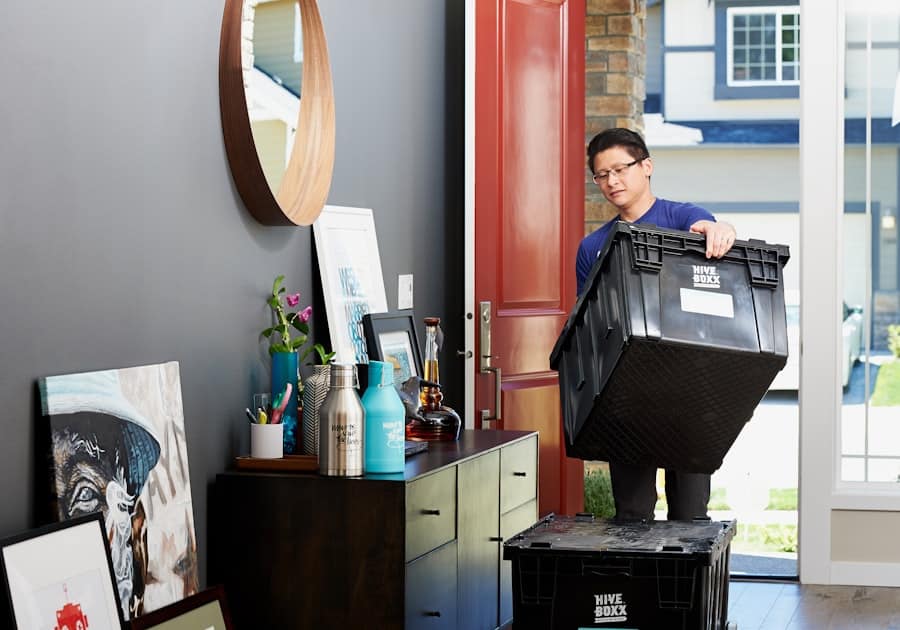
To ensure that your local move goes as quickly as possible, there are several strategies you can implement. First and foremost, start planning well in advance. Create a detailed moving checklist that outlines every task you need to complete before moving day.
This list should include everything from sorting through your belongings to packing up each room systematically. By having a clear plan in place, you’ll minimize last-minute scrambling and keep everything on track. Another effective way to speed up the moving process is to enlist help from friends or family members.
Having extra hands on deck can make a significant difference in how quickly you can pack and load your belongings. Consider hosting a packing party where everyone can come together to help out while enjoying snacks and drinks. Additionally, if you’re hiring professional movers, be sure to communicate clearly with them about your expectations and any specific needs you may have.
This will help them prepare adequately and work efficiently on moving day.
Common Delays and How to Avoid Them
Despite your best efforts to plan and organize, there are still common delays that can occur during a local move. One frequent issue is underestimating the time it takes to pack up your belongings. Many people find that they have more items than they initially thought, leading to last-minute packing chaos.
To avoid this pitfall, take inventory of your belongings well in advance and start packing non-essential items early in the process. Another common delay arises from logistical challenges at either location. If your new home is not ready for move-in or if there are issues with parking or access, it can lead to frustrating delays.
To mitigate these risks, confirm all arrangements with your new landlord or real estate agent ahead of time. Additionally, consider visiting both locations before moving day to assess any potential challenges that could arise during the move.
When deciding between hiring professional movers or opting for a DIY approach, it’s essential to weigh the pros and cons of each option carefully. Hiring professional movers can save you time and effort, as they come equipped with the necessary tools and experience to handle your belongings safely and efficiently. They can also provide valuable assistance with packing and unpacking, which can significantly reduce the stress associated with moving.
On the other hand, DIY moving can be more cost-effective if you’re on a tight budget. However, it requires considerable physical effort and time commitment. You’ll need to gather packing supplies, recruit friends or family for help, and manage all aspects of the move yourself.
If you choose this route, be sure to plan meticulously and allow for plenty of time to complete each task without feeling rushed.
Planning and Organizing for a Smooth Transition
Organize Your Belongings
By having a clear schedule in place, you’ll be less likely to overlook important details. In addition to creating a timeline, organizing your belongings is key to a successful move. Consider decluttering before packing by sorting through items and deciding what to keep, donate, or discard.
Labeling Boxes for Easy Unpacking
Labeling boxes clearly will also help streamline the unpacking process at your new home.
Minimize Stress with Efficient Planning
By taking these steps ahead of time, you’ll set yourself up for an efficient move that minimizes stress.
Setting Realistic Expectations for Your Local Move
As you prepare for your local move, it’s essential to set realistic expectations regarding how long the process will take and what challenges may arise. Understand that even with careful planning, unexpected issues can occur—whether it’s bad weather on moving day or delays in securing access to your new home. By acknowledging these possibilities upfront, you’ll be better equipped to handle any surprises that come your way.
Additionally, remember that moving is often an emotional experience as well as a logistical one. It’s normal to feel overwhelmed or stressed during this transition period. Allow yourself some grace and flexibility as you navigate the various tasks involved in moving.
By maintaining a positive mindset and being adaptable, you’ll find it easier to manage any obstacles that arise along the way.
What to Do if Your Local Move Takes Longer Than Expected
If your local move ends up taking longer than anticipated, it’s important not to panic. First, take a deep breath and assess the situation calmly. Identify the specific reasons for the delay—whether it’s due to unforeseen circumstances or simply underestimating the time required for certain tasks.
Once you have clarity on what’s causing the holdup, you can develop a plan to address it. Communicate openly with anyone involved in the move—whether it’s friends helping out or professional movers—about the situation. If necessary, adjust your plans accordingly and prioritize tasks that need immediate attention.
Remember that flexibility is key during this process; sometimes things don’t go as planned, but with patience and adaptability, you can still achieve a successful move despite any setbacks along the way.
If you are looking for more information on local moves, you may want to check out this article on last-minute movers. This article provides tips and advice for those who need to move quickly and efficiently. It can be a helpful resource for anyone facing a sudden relocation or time-sensitive move.
FAQs
What factors can affect the duration of a local move?
Factors that can affect the duration of a local move include the distance between the old and new locations, the amount of belongings being moved, the presence of stairs or elevators, and the efficiency of the moving company.
What is the average duration of a local move?
The average duration of a local move can vary depending on the size of the move, but typically ranges from a few hours to a full day.
How can I ensure a smooth and efficient local move?
To ensure a smooth and efficient local move, it is important to plan ahead, pack and organize belongings properly, communicate clearly with the moving company, and be prepared for any potential obstacles on moving day.
What are some tips for speeding up a local move?
Some tips for speeding up a local move include decluttering and organizing belongings before the move, labeling boxes clearly, disassembling furniture in advance, and being ready to assist the movers with any necessary information or assistance.