When you embark on a long-distance move, it’s essential to grasp the regulations and licenses that govern moving services. The moving industry is subject to a myriad of rules designed to protect consumers and ensure fair practices. As you prepare for your relocation, understanding these regulations can help you make informed decisions and avoid potential pitfalls.
Each state has its own set of rules, and federal regulations also play a significant role in how moving companies operate across state lines. You may find that the licensing requirements vary significantly depending on the type of move you are undertaking. For instance, if you are moving within the same state, the regulations may differ from those that apply to interstate moves.
Familiarizing yourself with these distinctions can save you time and stress as you navigate the complexities of long-distance moving. By understanding the landscape of regulations and licenses, you can better protect yourself and ensure that your belongings are in capable hands.
Key Takeaways
- Understanding the regulations and licenses for long-distance moving services is crucial for both customers and service providers.
- Licensing is important for out-of-state moves to ensure that the moving company is authorized to operate in the destination state.
- Federal regulations for long-distance moving services provide guidelines for pricing, liability, and consumer protection.
- State regulations for long-distance moving services may vary, so it’s important to be aware of specific requirements in each state.
- Licensing requirements for long-distance moving services may include insurance, bonding, and specific permits depending on the state and type of service offered.
- Ensuring compliance with regulations and licenses is essential for long-distance moving companies to maintain their reputation and avoid legal issues.
- Operating without proper licensing can result in severe consequences, including fines, legal action, and damage to the company’s reputation.
- Finding a reputable and licensed long-distance moving service is crucial for a smooth and reliable moving experience.
The Importance of Licensing for Out-of-State Moves
Licensing is not just a bureaucratic formality; it serves as a critical safeguard for consumers like you. When you choose a licensed moving company for your out-of-state move, you are opting for a service that adheres to established standards and practices. Licensed movers are required to meet specific criteria, which often include insurance coverage, background checks for employees, and adherence to safety protocols.
This level of accountability can provide peace of mind as you entrust your possessions to them. Moreover, licensing helps to create a level playing field in the moving industry. It ensures that all companies operate under the same set of rules, which can help prevent fraudulent practices.
When you hire a licensed mover, you can be more confident that they will handle your belongings with care and professionalism. In contrast, working with an unlicensed company can expose you to risks such as lost or damaged items, hidden fees, and inadequate service. Therefore, understanding the importance of licensing is crucial for anyone planning an out-of-state move.
Federal Regulations for Long-Distance Moving Services

Federal regulations play a pivotal role in shaping the long-distance moving landscape. The Federal Motor Carrier Safety Administration (FMCSA) oversees interstate moving companies, ensuring they comply with safety standards and consumer protection laws. As you prepare for your move, it’s important to familiarize yourself with these federal regulations, as they govern everything from pricing transparency to the handling of your belongings during transit.
One key aspect of federal regulations is the requirement for movers to provide you with a written estimate before your move takes place. This estimate should outline all potential costs associated with your move, allowing you to budget accordingly. Additionally, federal law mandates that movers must offer you certain protections regarding your belongings, including options for liability coverage.
Understanding these regulations can empower you to ask the right questions and make informed choices when selecting a moving company.
State Regulations for Long-Distance Moving Services
In addition to federal regulations, state laws also play a significant role in regulating long-distance moving services. Each state has its own set of rules governing how moving companies operate within its borders. These regulations can cover various aspects of the moving process, including licensing requirements, insurance mandates, and consumer rights.
As you plan your long-distance move, it’s essential to research the specific regulations that apply in both your current state and your destination state. State regulations often dictate how much a moving company can charge for their services and what information they must provide to consumers. For example, some states require movers to disclose their rates upfront or provide a detailed breakdown of costs associated with your move.
By understanding these state-specific regulations, you can better protect yourself from unexpected charges and ensure that your chosen moving company operates within legal boundaries.
Licensing Requirements for Long-Distance Moving Services
Licensing requirements for long-distance moving services are designed to ensure that companies meet certain standards before they can operate legally. To obtain a license, moving companies typically need to demonstrate financial responsibility through insurance coverage and bonding. This requirement protects consumers like you by ensuring that movers have the means to compensate you in case of loss or damage during transit.
In addition to financial responsibility, many states require movers to undergo background checks and maintain specific safety standards. These measures help ensure that the individuals handling your belongings are trustworthy and qualified. As you evaluate potential moving companies, it’s wise to ask about their licensing status and any relevant certifications they hold.
This information can provide valuable insight into their professionalism and reliability.
Ensuring Compliance with Regulations and Licenses
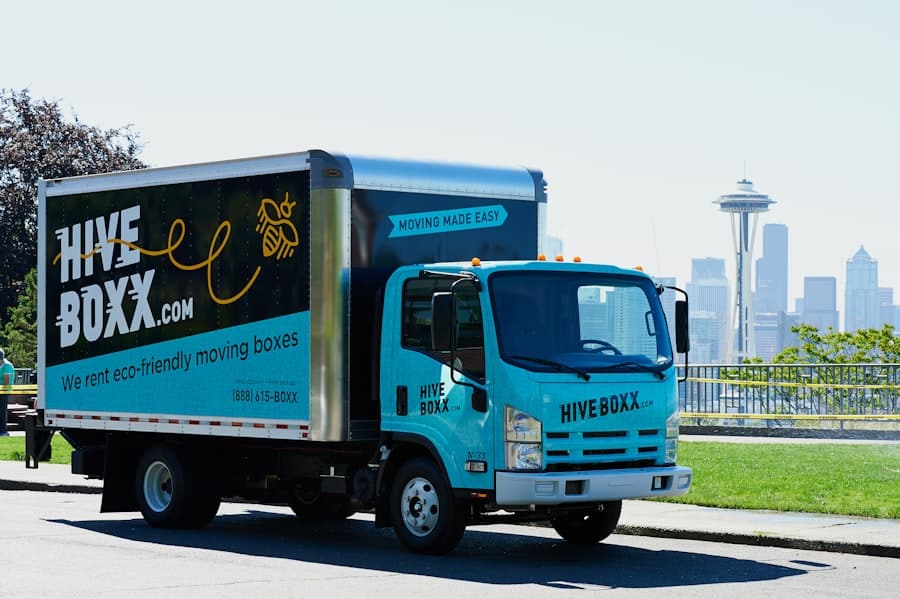
Ensuring compliance with regulations and licenses is crucial for both consumers and moving companies alike. As someone preparing for a long-distance move, it’s essential to verify that the company you choose adheres to all applicable laws and regulations. You can start by checking their licensing status through state or federal databases, which often provide information about whether a company is authorized to operate legally.
Additionally, don’t hesitate to ask potential movers about their compliance practices. A reputable company should be transparent about their licensing status and willing to provide documentation upon request. By taking these steps, you can help ensure that your chosen moving service operates within legal boundaries and prioritizes consumer protection.
Consequences of Operating Without Proper Licensing
Operating without proper licensing can have severe consequences for moving companies and consumers alike. For movers, failing to obtain the necessary licenses can result in hefty fines, legal action, and even the shutdown of their business operations. This lack of compliance not only jeopardizes their livelihood but also puts consumers at risk by exposing them to unregulated practices.
For you as a consumer, hiring an unlicensed mover can lead to a host of problems. Without proper licensing, there’s no guarantee that the company will adhere to industry standards or provide adequate protection for your belongings. You may find yourself facing unexpected fees, poor service quality, or even the loss of your possessions altogether.
Understanding these potential consequences underscores the importance of choosing a licensed moving service for your long-distance relocation.
Finding a Reputable and Licensed Long-Distance Moving Service
Finding a reputable and licensed long-distance moving service requires careful research and consideration. Start by seeking recommendations from friends or family who have recently moved; personal experiences can provide valuable insights into which companies are trustworthy. Additionally, online reviews and ratings can help you gauge the reputation of various movers in your area.
Once you’ve compiled a list of potential movers, take the time to verify their licensing status through state or federal resources. Look for companies that are not only licensed but also insured and bonded; this added layer of protection can give you peace of mind as you prepare for your move. Finally, don’t hesitate to ask questions about their experience, services offered, and any additional fees that may apply.
By conducting thorough research and asking the right questions, you can find a reputable long-distance moving service that meets your needs while ensuring compliance with all necessary regulations and licenses.
When hiring long-distance moving services for out-of-state moves, it is important to ensure that the company has the necessary licenses and regulations in place. According to a recent article on movers-company.com, it is crucial for moving companies to have the proper licensing and insurance to protect both the company and the customer during the moving process. Additionally, companies like Unigroup offer comprehensive moving services that adhere to all necessary regulations and licensing requirements. For specialized items such as pianos, it is recommended to hire professional piano movers who have the expertise and equipment to safely transport these delicate instruments.
FAQs
What specific regulations apply to long-distance moving services for out-of-state moves?
Long-distance moving services for out-of-state moves are regulated by the Federal Motor Carrier Safety Administration (FMCSA) under the U.S. Department of Transportation. These regulations include obtaining a USDOT number, adhering to specific insurance requirements, and following guidelines for handling and transporting goods across state lines.
What licenses are required for long-distance moving services for out-of-state moves?
Long-distance moving services for out-of-state moves are required to have a USDOT number, which is issued by the FMCSA. Additionally, they may need to obtain a Motor Carrier (MC) number if they transport regulated commodities or passengers. These licenses ensure that the moving company is compliant with federal regulations and can legally operate across state lines.
Are there specific insurance requirements for long-distance moving services for out-of-state moves?
Yes, long-distance moving services for out-of-state moves are required to have specific insurance coverage, including cargo insurance and liability insurance. The FMCSA sets minimum insurance requirements to protect customers’ belongings and ensure financial responsibility in the event of accidents or damages during the moving process.