When you embark on a moving journey, one of the first steps you should take is to familiarize yourself with local regulations and permits. Each city or municipality has its own set of rules governing moving activities, which can significantly impact your plans. For instance, some areas may require you to secure a permit for parking a moving truck on public streets, while others might have restrictions on the size and weight of vehicles allowed in certain neighborhoods.
By understanding these regulations ahead of time, you can avoid potential fines or delays that could disrupt your moving schedule. Moreover, local regulations can also dictate the hours during which moving activities can take place. Some neighborhoods may impose noise restrictions, limiting the time frame in which you can load or unload your belongings.
This is particularly important if you are moving into or out of a densely populated area where residents may be sensitive to disturbances. Therefore, it is crucial to check with your local government or homeowners’ association to ensure that you are compliant with all necessary regulations before the big day arrives.
Key Takeaways
- Understanding local regulations and permits is crucial for a successful move
- Coordinating parking arrangements can help avoid delays and fines
- Navigating state-specific moving regulations is essential for compliance
- Obtaining necessary permits and licenses is a key step in the moving process
- Communicating with local authorities can help smooth the moving process
Coordinating Parking Arrangements
Coordinating parking arrangements is another essential aspect of a successful move. You need to consider where the moving truck will be parked during both loading and unloading phases. If you live in an area with limited parking options, it may be necessary to reserve a space in advance.
This could involve contacting your local authorities to obtain a temporary parking permit or even blocking off a section of the street with cones or signs to ensure that the truck has enough room to maneuver. In addition to securing a parking spot for the moving truck, you should also think about where your personal vehicles will be parked during the move. If you have friends or family helping you, they will need designated parking as well.
Planning ahead can save you from the stress of last-minute parking issues and ensure that everyone involved in the move can focus on the task at hand without unnecessary distractions.
Navigating State-Specific Moving Regulations
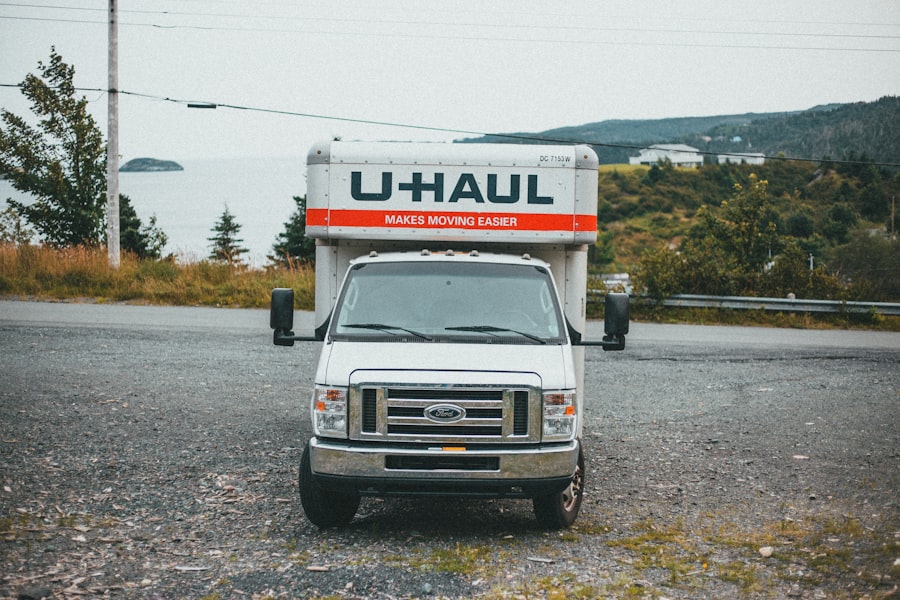
Every state has its own set of moving regulations that you must navigate to ensure a smooth transition. These regulations can cover a wide range of topics, from weight limits for moving trucks to specific requirements for transporting certain items. For example, some states may have restrictions on transporting hazardous materials, while others may require special permits for oversized loads.
Familiarizing yourself with these state-specific regulations is crucial for avoiding legal complications during your move. Additionally, understanding state-specific regulations can help you plan your route more effectively. Some states have designated truck routes that must be followed, while others may have tolls or weight stations that could impact your travel time and costs.
By researching these regulations in advance, you can create a more efficient moving plan that minimizes delays and ensures compliance with all legal requirements.
Obtaining Necessary Permits and Licenses
Obtaining the necessary permits and licenses is a critical step in the moving process that should not be overlooked. Depending on your location and the nature of your move, you may need various permits to legally transport your belongings. For instance, if you are moving across state lines, you may need to register your moving vehicle with the Department of Transportation or obtain a special license for interstate travel.
In addition to vehicle permits, you may also need to secure permits for specific items you are transporting. For example, if you are moving large appliances or specialized equipment, there may be additional regulations governing their transport. Taking the time to research and obtain these permits will not only keep you compliant with local laws but also provide peace of mind as you navigate the complexities of your move.
Communicating with Local Authorities
Effective communication with local authorities is essential throughout the moving process. Whether you are seeking permits, coordinating parking arrangements, or clarifying regulations, maintaining open lines of communication can help facilitate a smoother experience. It is advisable to reach out to your local city or county office well in advance of your move to inquire about any specific requirements or procedures that may apply to your situation.
Additionally, if you encounter any challenges during your move—such as unexpected road closures or changes in regulations—having established communication with local authorities can be invaluable. They can provide real-time updates and guidance that can help you adapt your plans as needed. By fostering a cooperative relationship with local officials, you can navigate potential obstacles more effectively and ensure that your move proceeds as planned.
Handling Traffic and Route Planning
Real-Time Route Optimization
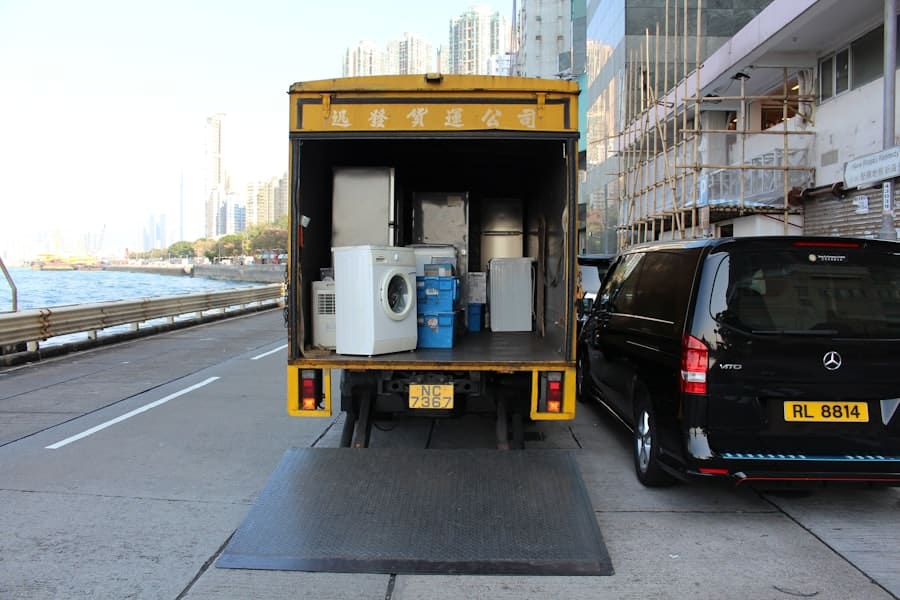
Traffic management and route planning are critical components of any successful move. You want to ensure that your moving truck takes the most efficient route possible while avoiding congested areas and roadblocks. Utilizing GPS technology and traffic apps can help you identify the best routes in real-time, allowing you to adjust your plans as necessary based on current conditions.
Timing is Everything
Moreover, it’s wise to consider the time of day when planning your route. Moving during peak traffic hours can lead to significant delays, so aim for early morning or late evening when roads are typically less congested. Additionally, familiarize yourself with any construction zones or detours along your planned route to avoid unexpected delays.
Minimizing Stress on Moving Day
By taking these factors into account, you can streamline your moving process and minimize stress on moving day.
Adhering to State-Specific Insurance Requirements
Insurance requirements vary significantly from state to state, making it essential for you to understand what coverage is necessary for your move. Many states require moving companies to carry specific types of insurance, which protects both the company and the customer in case of accidents or damages during transit. If you’re hiring professional movers, ensure that they are compliant with state insurance regulations and provide proof of coverage before signing any contracts.
If you’re opting for a DIY move using a rental truck, you’ll also need to consider insurance options carefully. Most rental companies offer various insurance packages that cover different aspects of liability and damage protection. Evaluating these options based on your needs can save you from potential financial burdens should an accident occur during your move.
By adhering to state-specific insurance requirements, you not only protect yourself but also ensure compliance with local laws.
Managing Logistics for Specialized Items
When it comes to moving specialized items—such as pianos, artwork, or fragile antiques—managing logistics becomes even more critical. These items often require special handling and transportation methods to ensure they arrive at their new location safely. Before your move, assess which items fall into this category and develop a plan for their transport.
For instance, if you’re moving a piano, it’s advisable to hire professionals who specialize in piano moving due to its weight and delicate nature. Similarly, valuable artwork may need custom packing materials and climate-controlled transport to prevent damage during transit. By planning ahead and coordinating logistics for these specialized items, you can mitigate risks and ensure that all of your belongings arrive at their destination in pristine condition.
In conclusion, navigating the complexities of a move requires careful planning and attention to detail across various aspects—from understanding local regulations and permits to managing logistics for specialized items. By taking proactive steps in each area outlined above, you can create a seamless moving experience that minimizes stress and maximizes efficiency. Whether you’re relocating across town or across state lines, being informed and prepared will empower you to tackle any challenges that arise along the way.
When it comes to local professional movers handling logistics such as permits or parking arrangements within a state, it is crucial to ensure that all necessary paperwork and permissions are in place to avoid any delays or issues during the moving process. In a related article on movers-company.com, it discusses the importance of hiring reputable movers in San Antonio, Texas, who are well-versed in local regulations and can navigate the logistics of a move efficiently. By working with experienced professionals, individuals can rest assured that their relocation will be smooth and stress-free.
FAQs
What logistics do local professional movers handle when moving within a state?
Local professional movers handle various logistics when moving within a state, including obtaining permits, arranging parking, and coordinating the logistics of the move.
Do local professional movers need permits when moving within a state?
Yes, local professional movers may need permits when moving within a state, especially if they need to park a moving truck in a restricted area or block a street temporarily.
How do local professional movers obtain permits for moving within a state?
Local professional movers typically obtain permits for moving within a state by contacting the local authorities or transportation department to apply for the necessary permits.
What parking arrangements do local professional movers make when moving within a state?
Local professional movers make parking arrangements by securing parking permits for the moving truck, reserving parking spaces, or coordinating with building management for access to loading docks or elevators.
How do local professional movers handle logistics for moving within a state?
Local professional movers handle logistics for moving within a state by carefully planning the route, obtaining necessary permits, coordinating parking arrangements, and ensuring that all logistical aspects of the move are taken care of to minimize disruptions.