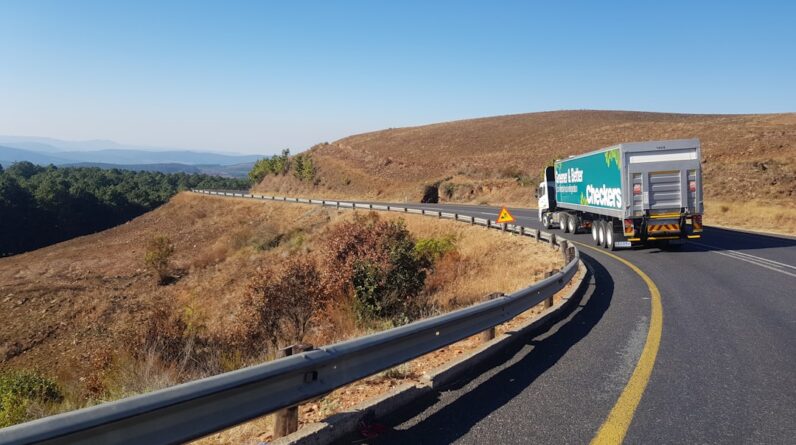
When it comes to planning the perfect route for your journey, expert advice can make all the difference. You should start by considering your destination and the various paths that lead there. Researching different routes can help you identify the most efficient and enjoyable options.
Utilize mapping tools and apps that provide real-time traffic updates, road conditions, and estimated travel times. This way, you can avoid potential delays and ensure a smoother journey. Additionally, don’t forget to factor in rest stops and points of interest along the way.
These breaks not only provide a chance to stretch your legs but also allow you to explore new places and create lasting memories. Another essential aspect of route planning is flexibility. While it’s important to have a general plan, being open to changes can lead to unexpected adventures.
Experts recommend keeping an eye on the weather forecast and being prepared to adjust your route if necessary. Sometimes, a detour can lead you to breathtaking landscapes or charming towns that you might not have discovered otherwise. By embracing spontaneity, you can transform your journey into an enriching experience that goes beyond mere transportation.
Key Takeaways
- Plan your route with flexibility in mind, allowing for unexpected detours and discoveries along the way.
- Pack light and use packing cubes to stay organized and make unpacking a breeze at your new destination.
- Seek out scenic routes that offer breathtaking views and unique experiences, even if it means taking a longer route.
- Take time to savor the journey, whether it’s through photography, journaling, or simply being present in the moment.
- Embrace challenges as opportunities for growth and learning, and be open to seeking help and advice from locals or fellow travelers.
Packing and Organization: Advice for a Smooth Transition
Organize Your Belongings
Categorizing your belongings into groups—such as clothing, kitchenware, and personal items—can help streamline the packing process. Consider using clear plastic bins or labeled boxes to keep everything organized. This way, when you arrive at your new home, you’ll know exactly where to find each item, making unpacking much more manageable.
Pack Strategically
In addition to organization, it’s wise to pack strategically. Place frequently used items at the top of your boxes or in easily accessible bags. This will save you time and frustration when you first arrive at your new place.
Protect Your Belongings
Furthermore, don’t underestimate the importance of packing materials. Invest in quality packing tape, bubble wrap, and sturdy boxes to protect your belongings during transit. By taking these steps, you can ensure that your move is as seamless as possible, allowing you to focus on settling into your new environment.
Navigating Scenic Routes: Finding the Most Picturesque Paths
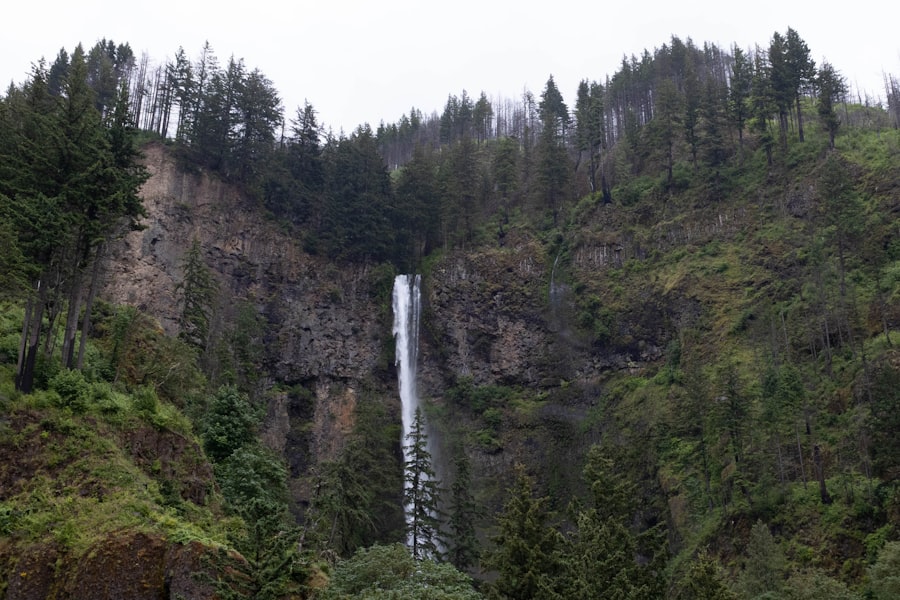
As you embark on your journey, consider taking the scenic routes that offer stunning views and unique experiences. These paths often lead through picturesque landscapes, charming villages, and breathtaking natural wonders. To find these routes, consult travel blogs, social media platforms, or local tourism websites that highlight scenic drives in your area.
You might discover hidden gems that are not only visually appealing but also rich in history and culture. While navigating these scenic routes, take your time to soak in the beauty around you. Stop at viewpoints or parks along the way to capture photographs or simply enjoy the tranquility of nature.
Experts suggest planning your travel itinerary with ample time for exploration, allowing you to fully appreciate the journey rather than just focusing on the destination. By prioritizing scenic routes, you can transform your trip into an unforgettable adventure filled with awe-inspiring sights.
Making the Most of Your Journey: Expert Advice on Enjoying the View
To truly enjoy your journey, it’s essential to adopt a mindset that embraces the experience rather than viewing it as a mere means of getting from point A to point Experts recommend engaging all your senses during travel—take in the sights, sounds, and even smells of the places you pass through. This immersive approach can enhance your appreciation for the journey itself and create lasting memories. Additionally, consider incorporating activities that allow you to connect with your surroundings.
Whether it’s stopping at local eateries to sample regional cuisine or participating in community events along the way, these experiences can enrich your travel narrative. Engaging with locals can provide insights into their culture and traditions, making your journey more meaningful. By focusing on enjoying the view and immersing yourself in each moment, you’ll find that the journey becomes just as rewarding as reaching your destination.
Overcoming Challenges: How Experts Handle Unexpected Hurdles
Every journey comes with its share of challenges, but how you respond to them can significantly impact your experience. Experts advise maintaining a flexible attitude when faced with unexpected hurdles such as road closures or delays. Instead of letting frustration take over, view these challenges as opportunities for growth and adaptation.
For instance, if you encounter a detour due to construction, use it as a chance to explore an unfamiliar area or discover a new route. Moreover, preparation is key when it comes to overcoming challenges during travel. Ensure that you have essential supplies on hand—such as snacks, water, and a first-aid kit—to address minor issues that may arise on the road.
Familiarize yourself with alternative routes or backup plans in case of emergencies. By being proactive and adaptable, you can navigate obstacles with confidence and turn potential setbacks into memorable experiences.
Settling into Your New Home: Tips for a Seamless Transition
Unpacking Strategically
Start by unpacking the essentials, such as toiletries, clothing, and kitchen items. This will help you quickly establish a sense of normalcy in your new space. Gradually work through the rest of your belongings at a comfortable pace, allowing yourself time to adjust.
Creating a Welcoming Environment
Personalize your surroundings with familiar items like photographs or decorations that reflect your personality. This will help foster a sense of belonging and comfort in your new environment.
Getting to Know Your Neighborhood
Take time to explore your neighborhood and discover local amenities like grocery stores, parks, and community centers. By actively engaging with your new surroundings, you’ll begin to feel more connected and settled in no time.
Maintaining a Positive Mindset: Expert Advice on Embracing Change
Embracing change can be challenging, but maintaining a positive mindset is essential for navigating this transition successfully. Experts suggest practicing gratitude by focusing on the opportunities that come with moving rather than dwelling on what you’ve left behind. Keep a journal where you can jot down positive experiences or things you’re looking forward to in your new location.
This practice can help shift your perspective and reinforce a sense of optimism. Additionally, surround yourself with supportive individuals who encourage your growth during this period of change. Whether it’s friends or family members who check in on you or new acquaintances in your community who share similar interests, having a support system can make all the difference.
Engage in activities that bring you joy and fulfillment—whether it’s pursuing hobbies or exploring new interests—so that you can cultivate positivity amidst uncertainty.
Finding Community: Tips for Connecting with Others in Your New Location
Building connections in a new location is vital for creating a sense of belonging and community. Start by exploring local events or gatherings where you can meet like-minded individuals who share similar interests or hobbies. Attend workshops, classes, or social meetups that align with your passions; this will not only help you make friends but also immerse yourself in the local culture.
Social media platforms can also be valuable tools for finding community groups or organizations in your area. Join local Facebook groups or forums where residents share information about events or activities happening nearby. Don’t hesitate to reach out and introduce yourself; many people are eager to welcome newcomers into their circles.
By actively seeking out opportunities to connect with others, you’ll soon find yourself building meaningful relationships that enrich your experience in your new home. In conclusion, embarking on a journey—whether it’s moving to a new city or exploring unfamiliar landscapes—requires careful planning and an open heart. By following expert advice on route planning, packing efficiently, embracing scenic paths, overcoming challenges, settling into your new home, maintaining positivity, and finding community connections, you can transform what may seem like a daunting task into an exciting adventure filled with growth and discovery.
Embrace each moment along the way; after all, it’s not just about reaching your destination but also about enjoying every step of the journey.
If you’re looking for a reliable moving company to help you with your scenic move, check out Free Movers. They offer top-notch services to ensure a seamless transition to your new home. Whether you’re moving to San Bernardino, California or Hialeah, Florida, Movers Moving Company has got you covered. Their team of experts will make sure your move is stress-free and enjoyable.
FAQs
What are scenic routes?
Scenic routes are roads or highways that offer picturesque views of natural landscapes, such as mountains, forests, coastlines, and other scenic attractions.
Why are scenic routes popular for moving or road trips?
Scenic routes are popular for moving or road trips because they provide a more enjoyable and visually appealing driving experience, making the journey more memorable and less monotonous.
How can experts help with moving along scenic routes?
Experts can help with moving along scenic routes by providing advice on the best routes to take, ensuring that the chosen route is suitable for the size of the moving vehicle, and offering tips for a seamless transition, such as rest stops and accommodations along the way.
What are some considerations when moving along scenic routes?
Considerations when moving along scenic routes include the potential for narrow or winding roads, limited access to services in remote areas, and the need for careful planning to ensure a smooth and safe journey.
What are some popular scenic routes for moving or road trips?
Popular scenic routes for moving or road trips include the Pacific Coast Highway in California, the Blue Ridge Parkway in Virginia and North Carolina, and the Going-to-the-Sun Road in Montana’s Glacier National Park.