When it comes to relocating, selecting the right moving company is one of the most crucial steps you can take. You want to ensure that your belongings are in safe hands, and that the entire process is as smooth as possible. Start by conducting thorough research on various moving companies in your area.
Look for reviews and testimonials from previous customers to gauge their reliability and professionalism. Websites like Yelp and Google Reviews can provide valuable insights into the experiences of others, helping you make an informed decision. Additionally, consider asking friends or family for recommendations; personal experiences often carry more weight than online reviews.
Once you have a shortlist of potential movers, reach out to them for quotes. Be sure to ask about their services, insurance options, and any additional fees that may apply. A reputable moving company will be transparent about their pricing and will provide a detailed estimate based on the specifics of your move.
Don’t hesitate to ask questions; understanding the terms of service can save you from unexpected surprises on moving day. After gathering all the necessary information, compare your options carefully. The cheapest option may not always be the best; prioritize quality and reliability over cost to ensure a successful move.
Key Takeaways
- Research and compare moving companies to find the right one for your needs and budget
- Start packing and organizing early to make the moving process smoother
- Familiarize yourself with local regulations and parking restrictions to avoid any issues on moving day
- Communicate with neighbors and building management to ensure a smooth move-in process
- Plan ahead for local traffic and road conditions to minimize delays on moving day
Packing and Organizing for a Local Move
Packing for a local move can feel overwhelming, but with a strategic approach, you can simplify the process significantly. Start by decluttering your home; this is an excellent opportunity to get rid of items you no longer need or use. Go through each room and categorize your belongings into keep, donate, and discard piles.
Not only will this lighten your load, but it will also make unpacking in your new home much easier. Once you have sorted through your items, create a packing plan that outlines what you will pack and when. This will help you stay organized and ensure that you don’t leave anything behind.
As you begin packing, invest in quality packing materials such as sturdy boxes, bubble wrap, and packing tape. Label each box clearly with its contents and the room it belongs to; this will save you time when unpacking later on. Consider using color-coded labels for different rooms to make the process even more efficient.
Additionally, pack a separate essentials box containing items you’ll need immediately upon arrival at your new home, such as toiletries, a change of clothes, and basic kitchen supplies. By taking the time to pack thoughtfully and systematically, you can reduce stress and make your local move a more manageable experience.
Understanding Local Regulations and Parking Restrictions
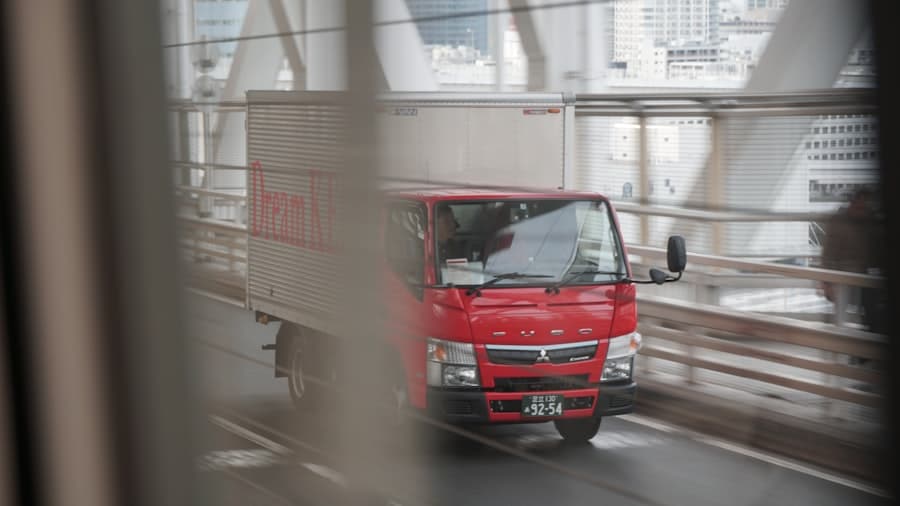
Before moving day arrives, it’s essential to familiarize yourself with any local regulations or parking restrictions that may affect your move. Many cities have specific rules regarding moving trucks, including where they can park and how long they can remain in one spot. Check with your local government or city website for information on permits that may be required for parking a moving truck on public streets.
In some cases, you may need to reserve a parking space in advance to avoid fines or complications on moving day. Additionally, consider the layout of your new neighborhood. If you’re moving into an apartment complex or a community with strict guidelines, reach out to building management for any specific requirements they may have for movers.
They may have designated loading zones or specific hours during which moving is allowed. Understanding these regulations ahead of time will help you avoid unnecessary delays and ensure a smoother transition into your new home.
Communicating with Neighbors and Building Management
Effective communication with your neighbors and building management can significantly ease the moving process. If you’re moving into an apartment or a community with shared spaces, it’s courteous to inform your neighbors about your upcoming move. A simple note or message can go a long way in fostering goodwill; let them know when you’ll be moving and if there might be any noise or disruptions during the process.
Most people understand that moving can be hectic, and a little heads-up can help maintain positive relationships. In addition to communicating with neighbors, don’t forget to reach out to building management if applicable. They may have specific guidelines or requirements for moves that you need to follow.
For instance, they might require you to reserve an elevator or provide proof of insurance for the moving company. By keeping an open line of communication with both neighbors and management, you can navigate any potential issues more smoothly and create a welcoming atmosphere in your new community.
Navigating Local Traffic and Road Conditions
Local traffic can be unpredictable, especially during peak hours or in busy urban areas. To ensure a smooth moving day, take some time to familiarize yourself with the traffic patterns in your new neighborhood. Use navigation apps like Google Maps or Waze to check real-time traffic conditions and plan your route accordingly.
If possible, schedule your move during off-peak hours when traffic is lighter; this can save you time and reduce stress as you navigate through the streets. Additionally, be aware of any road conditions that may affect your move. Construction zones or detours can lead to delays, so it’s wise to check for any alerts or updates before heading out on moving day.
If you’re unfamiliar with the area, consider driving the route a few days before your move to identify any potential obstacles or challenges. By planning ahead and staying informed about local traffic conditions, you can help ensure that your move goes off without a hitch.
Unloading and Setting Up in Your New Neighborhood

Once you arrive at your new home, the unloading process begins. This is often where the excitement of moving turns into a whirlwind of activity. As the movers bring in your boxes and furniture, direct them to the appropriate rooms based on your labeling system.
This will help streamline the unpacking process later on. Take a moment to assess the layout of each room before placing large items; it’s easier to make adjustments now than after everything is set up. After everything is unloaded, take a deep breath and appreciate your new space.
Begin unpacking essential items first—those that you’ll need immediately—before tackling less critical boxes. As you start to arrange furniture and decor, think about how you want each room to function and feel. This is an opportunity to create a space that reflects your personality and lifestyle.
Don’t rush the process; take your time to ensure that each area feels comfortable and inviting.
Finding Local Services and Amenities in Your New Area
As you settle into your new neighborhood, it’s important to familiarize yourself with local services and amenities that will enhance your daily life. Start by exploring nearby grocery stores, pharmacies, and restaurants; knowing where these essentials are located will make your transition smoother. Consider downloading local apps or using online maps to discover popular spots in the area.
You might find hidden gems like quaint coffee shops or parks that become favorites over time. In addition to basic services, look for community resources such as libraries, gyms, or recreational centers that align with your interests. Many neighborhoods also have local events or farmers’ markets that can provide opportunities for socializing and connecting with others in the community.
Engaging with local services not only makes life more convenient but also helps you feel more integrated into your new environment.
Settling into Your New Neighborhood and Building Community Connections
Building connections in your new neighborhood is key to feeling truly at home. Start by introducing yourself to neighbors; a friendly wave or brief conversation can open doors to lasting friendships. Attend community events or gatherings if available; these are excellent opportunities to meet people who share similar interests or backgrounds.
Many neighborhoods have social media groups where residents share information about events or local happenings—joining these groups can help you stay informed and connected. Additionally, consider volunteering for local organizations or participating in community projects; this not only allows you to give back but also helps forge bonds with fellow residents who are passionate about similar causes. As you engage with those around you, remember that building relationships takes time; be patient and open-minded as you navigate this new chapter in your life.
By actively participating in your community, you’ll find that settling into your new neighborhood becomes an enriching experience filled with opportunities for connection and growth.
If you are considering a local move in Augusta-Richmond County, Georgia, you may want to check out this article on Movers Company. This article provides valuable information on finding a moving company that can help you navigate the neighborhood with professional precision. Whether you are moving in Philadelphia, Pennsylvania, or El Monte, California, this article offers tips and advice to ensure a smooth and stress-free moving experience.
FAQs
What are the benefits of hiring professional movers for a local move?
Professional movers have the experience and expertise to navigate the neighborhood efficiently and safely. They can handle the heavy lifting, packing, and transportation, saving you time and effort.
How can professional movers ensure a smooth local move?
Professional movers can provide a range of services, including packing, loading, transportation, and unpacking. They can also offer insurance coverage for your belongings, ensuring peace of mind during the move.
What should I look for when hiring professional movers for a local move?
When hiring professional movers for a local move, it’s important to look for a company with a good reputation, proper licensing and insurance, transparent pricing, and positive customer reviews. It’s also helpful to get multiple quotes and compare services.
What are some tips for preparing for a local move with professional movers?
Before the move, it’s important to declutter and organize your belongings, create a moving checklist, and communicate your specific needs and expectations with the professional movers. It’s also helpful to pack and label your items properly to streamline the moving process.
How can professional movers help with navigating the neighborhood during a local move?
Professional movers are familiar with local neighborhoods and can navigate the area efficiently, avoiding traffic congestion and finding the best routes for transportation. They can also handle any parking or logistical issues that may arise during the move.