When it comes to moving, one of the most critical considerations is the handling of hazardous materials. These substances can pose significant risks not only to your health but also to the safety of those around you. Common hazardous materials include chemicals, batteries, and certain types of cleaning supplies.
It’s essential to identify these items before you begin packing, as many moving companies have strict policies against transporting them. You may need to find specialized disposal services or local hazardous waste collection events to ensure these materials are handled safely and responsibly. In addition to the obvious dangers posed by hazardous materials, there are legal implications to consider.
Many states have regulations governing the transport of such items, and failing to comply can result in fines or other penalties. Therefore, it’s wise to familiarize yourself with local laws regarding hazardous materials before your move. By taking the time to properly dispose of or manage these items, you not only protect yourself and your family but also contribute to a safer environment for your community.
Key Takeaways
- Hazardous materials should be properly labeled and packaged for safe transportation.
- Perishable items require special handling and may need to be kept at specific temperatures during transit.
- Valuables and personal documents should be securely packed and kept with you during the move.
- Plants may require special permits or inspections when moving across state or international borders.
- Pets should be transported in a safe and comfortable manner, with necessary supplies and documentation.
- Firearms and ammunition must be declared and packed according to transportation regulations.
- Large or oversized items may require special equipment or handling during the move.
- Items with special care or handling requirements, such as fragile or sensitive items, should be clearly labeled and packed with appropriate materials.
Perishable Items
Perishable items present a unique challenge when planning a move. These are items that can spoil or decay, such as food products, plants, and certain types of cosmetics. If you’re moving locally, you might be able to transport some perishable goods in a cooler, but for long-distance moves, it’s often best to minimize what you take with you.
Consider consuming or donating food items that are nearing their expiration dates before your move. This not only lightens your load but also helps reduce waste. When it comes to plants, you’ll need to check the regulations regarding their transport, especially if you’re moving across state lines.
Some states have restrictions on certain types of plants due to pest control measures. If you have beloved houseplants that you can’t bear to part with, research how to safely transport them. This may involve repotting them in lightweight containers or ensuring they are adequately watered and protected during transit.
By planning ahead, you can ensure that your perishable items are either consumed or transported safely.
Valuables and Personal Documents

Your valuables and personal documents are among the most important items to consider during a move. These can include jewelry, heirlooms, and important paperwork such as birth certificates, passports, and financial records. It’s crucial to keep these items secure and easily accessible during the moving process.
Instead of packing them away in boxes, consider using a dedicated bag or container that you can carry with you. This way, you can ensure they remain safe and within reach throughout your journey. Additionally, it’s wise to create an inventory of your valuables and important documents before the move.
This not only helps you keep track of everything but also provides a record in case anything goes missing during the transition. Take photographs of valuable items for insurance purposes and store them in a secure location. By taking these precautions, you can alleviate some of the stress associated with moving and ensure that your most treasured possessions are protected.
Plants
Moving with plants can be both rewarding and challenging. On one hand, they bring life and beauty into your home; on the other hand, they require special care during transit. If you’re planning to take your plants with you, it’s essential to prepare them for the journey ahead.
Start by checking the health of each plant; remove any dead leaves or pests that could spread during the move. Additionally, consider repotting them into lightweight containers that are easier to handle. As you prepare for your move, be aware of any regulations regarding transporting plants across state lines.
Some states have strict laws aimed at preventing the spread of invasive species or pests. Research these regulations ahead of time to avoid any complications at checkpoints or upon arrival at your new home. If you find that transporting your plants is not feasible, consider giving them away to friends or family who will appreciate them.
This way, you can ensure they continue to thrive even after your move.
Pets
Your pets are part of your family, and moving with them requires careful planning and consideration. Before the move, make sure your pets are comfortable with the idea of traveling. If they’re not used to being in a car or crate for extended periods, take some time to acclimate them beforehand.
Short trips can help them get used to the experience and reduce anxiety on moving day. On moving day itself, it’s best to keep your pets in a quiet room away from the chaos of packing and loading. This will help minimize their stress levels as well as prevent them from escaping during the hustle and bustle.
Once you arrive at your new home, set up a designated space for them with their bed, toys, and food bowls so they can feel secure in their new environment. By taking these steps, you can help ensure a smoother transition for both you and your furry companions.
Firearms and Ammunition

Transporting firearms and ammunition during a move requires careful attention to safety and legal regulations. Before packing any firearms, familiarize yourself with local laws regarding their transport. Different states have varying regulations about how firearms must be stored and transported, so it’s crucial to do your research ahead of time.
In many cases, firearms should be unloaded and stored in a locked container during transit. When packing firearms for a move, consider using hard cases designed specifically for this purpose. These cases provide added protection against damage while also ensuring that unauthorized individuals cannot access them during transport.
Additionally, keep ammunition separate from firearms in a secure location. By taking these precautions, you can ensure that your firearms are transported safely and legally while minimizing risks during your move.
Large or Oversized Items
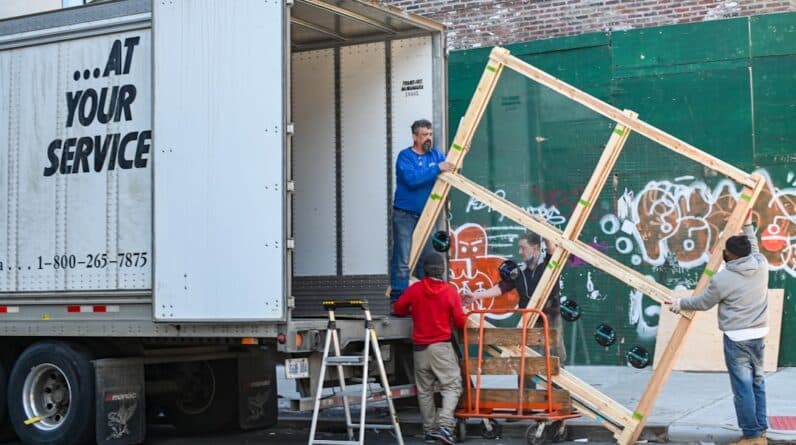
Moving large or oversized items can be one of the most daunting aspects of relocating. Whether it’s a bulky piece of furniture or an appliance, these items require special consideration when planning your move. Start by measuring doorways, hallways, and staircases in both your current home and your new one to ensure that everything will fit through without damage.
If an item is too large to maneuver easily, consider disassembling it if possible. When it comes time to load these oversized items onto the moving truck, enlist help from friends or professional movers who have experience handling heavy loads. Using proper lifting techniques is essential to avoid injury; always lift with your legs rather than your back.
Additionally, make sure that large items are secured properly in the truck to prevent shifting during transit. By taking these steps, you can make the process of moving large items more manageable and less stressful.
Items with Special Care or Handling Requirements
Certain items require special care or handling during a move due to their fragility or unique characteristics. This category includes artwork, antiques, electronics, and glassware—items that can easily be damaged if not packed correctly. When preparing these items for transport, invest in high-quality packing materials such as bubble wrap, foam padding, and sturdy boxes designed for fragile goods.
For valuable artwork or antiques, consider consulting with professionals who specialize in moving such items. They can provide guidance on the best packing methods and may even offer specialized services for transporting high-value pieces safely. Additionally, label boxes containing fragile items clearly so that everyone involved in the move knows to handle them with care.
By taking these precautions and seeking expert advice when necessary, you can ensure that your delicate possessions arrive at your new home in perfect condition. In conclusion, moving involves careful consideration of various types of items that require special attention during the process. From hazardous materials to pets and oversized furniture, each category presents its own set of challenges that must be addressed thoughtfully.
By planning ahead and taking the necessary precautions for each type of item, you can make your move smoother and more successful while ensuring that everything arrives safely at your new destination.
If you are wondering about items that long-distance movers typically do not transport, you may also be interested in reading about the challenges of moving a piano. Pianos are delicate and heavy instruments that require special care and expertise to move safely. To learn more about piano removals, check out this informative article on piano removals. Additionally, if you are located in Kansas City, Missouri or Independence, Missouri and are in need of professional movers, you can find more information on reputable moving companies in these areas by visiting Kansas City, Missouri and Independence, Missouri.
FAQs
What items do long-distance movers typically not transport?
Long-distance movers typically do not transport hazardous materials, perishable items, plants, pets, and valuable or sentimental items.
How should I handle hazardous materials when moving long-distance?
Hazardous materials such as chemicals, flammable liquids, and explosives should be properly disposed of or transported separately by a specialized hazardous materials carrier.
What should I do with perishable items when moving long-distance?
Perishable items such as food and plants should be consumed, donated, or properly disposed of before the move. Consider packing non-perishable food items for the journey.
What are the options for transporting pets during a long-distance move?
Pets can be transported by car with the family, flown to the new location, or transported by a specialized pet transportation service. It’s important to research and plan for the best option for your pet’s safety and comfort.
How can I ensure the safe transport of valuable or sentimental items during a long-distance move?
Valuable or sentimental items such as jewelry, important documents, and family heirlooms should be packed and transported personally, or shipped using a secure and insured method. It’s important to communicate with the moving company about any high-value items to ensure proper handling.