Before embarking on any move, it is crucial to assess the sensitivity and confidentiality of the documents and items you plan to transport. This initial evaluation will help you determine the appropriate measures needed to protect your belongings throughout the moving process. You should categorize your items based on their level of sensitivity, which can range from personal documents, such as medical records and financial statements, to proprietary business information, like trade secrets and client data.
By understanding the nature of your items, you can better strategize how to handle them securely. In addition to categorizing your items, consider the potential risks associated with their exposure. For instance, if you are moving sensitive client information, a breach could lead to significant legal repercussions and damage to your reputation.
Similarly, personal documents could be misused if they fall into the wrong hands. By thoroughly assessing the level of sensitivity and confidentiality of your items, you can implement tailored security measures that align with their importance, ensuring that you maintain control over your information during the entire moving process.
Key Takeaways
- Assess the level of sensitivity and confidentiality of the documents and items before the move
- Use secure and specialized packing materials for sensitive and confidential items
- Consider using a professional moving company with experience in handling sensitive and confidential items
- Implement additional security measures during transportation, such as GPS tracking and secure storage
- Discuss the specific requirements and concerns with the moving company beforehand
- Consider using a dedicated and secure transportation method for sensitive and confidential items
- Implement a chain of custody process for sensitive and confidential items during the move
- Consider insurance options for sensitive and confidential items during the move
Use secure and specialized packing materials for sensitive and confidential items
Once you have assessed the sensitivity of your items, the next step is to use secure and specialized packing materials designed to protect them during transit. Standard packing supplies may not provide the necessary level of security for sensitive documents. Instead, consider investing in tamper-evident bags, which can help deter unauthorized access.
These bags are designed to show clear signs of tampering, providing an additional layer of security for your most confidential items. In addition to tamper-evident bags, you should also consider using fireproof and waterproof containers for particularly sensitive documents. These specialized packing materials can safeguard your items against environmental hazards that could compromise their integrity.
Furthermore, using high-quality packing tape and sturdy boxes will ensure that your items remain secure throughout the move. By taking the time to select appropriate packing materials, you can significantly reduce the risk of damage or unauthorized access during transportation.
Consider using a professional moving company with experience in handling sensitive and confidential items
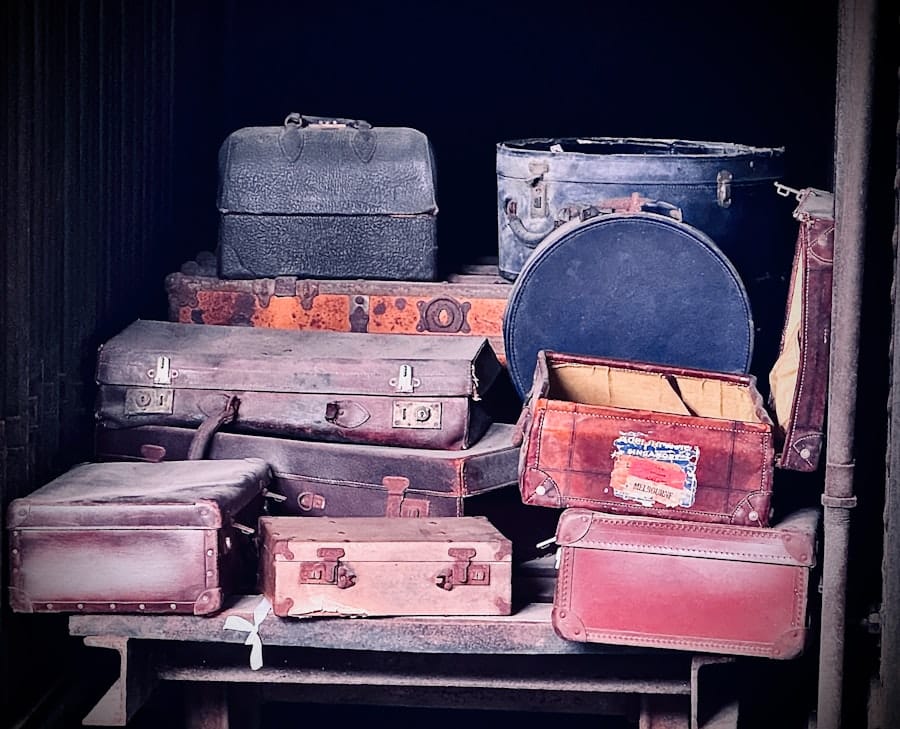
When it comes to moving sensitive and confidential items, enlisting the help of a professional moving company with experience in this area can be invaluable. These companies understand the unique challenges associated with transporting sensitive materials and have established protocols to ensure their safety. By choosing a specialized moving service, you can benefit from their expertise in handling delicate items, which can alleviate much of the stress associated with the move.
Moreover, professional movers often have access to advanced security features that can enhance the safety of your items during transit. For example, they may utilize climate-controlled vehicles to protect sensitive documents from extreme temperatures or humidity. Additionally, experienced movers are trained in proper packing techniques that minimize the risk of damage during transportation.
By opting for a professional moving company, you can rest assured that your sensitive and confidential items are in capable hands.
Implement additional security measures during transportation, such as GPS tracking and secure storage
In today’s world, where data breaches and theft are increasingly common, implementing additional security measures during transportation is essential for safeguarding sensitive and confidential items. One effective way to enhance security is by utilizing GPS tracking technology. This allows you to monitor the location of your items in real-time, providing peace of mind as they make their way to their new destination.
Knowing that you can track your belongings at any moment can help alleviate anxiety during the moving process. In addition to GPS tracking, consider arranging for secure storage options if there will be a delay between transportation and delivery. Many professional moving companies offer secure storage facilities equipped with surveillance cameras and access control systems.
This ensures that your sensitive items remain protected until they can be safely delivered to their final destination. By implementing these additional security measures, you can further mitigate risks associated with transporting sensitive materials.
Discuss the specific requirements and concerns with the moving company beforehand
Before finalizing your moving plans, it is essential to have an open dialogue with your chosen moving company regarding your specific requirements and concerns. This conversation will allow you to communicate any unique needs related to your sensitive and confidential items. For instance, you may want to discuss special handling instructions or inquire about their experience with similar moves in the past.
By addressing these concerns upfront, you can ensure that both parties are on the same page regarding expectations. Additionally, discussing your requirements with the moving company allows them to tailor their services to meet your needs effectively. They may offer specialized packing solutions or suggest additional security measures based on their experience with similar moves.
This collaborative approach not only fosters trust but also helps create a comprehensive plan that prioritizes the safety of your sensitive items throughout the entire moving process.
Consider using a dedicated and secure transportation method for sensitive and confidential items

When transporting sensitive and confidential items, it may be worth considering a dedicated and secure transportation method rather than relying on standard shipping options. Dedicated transportation means that your items will be transported separately from other shipments, reducing the risk of loss or damage during transit. This method is particularly beneficial for high-value or highly sensitive materials that require extra care.
Secure transportation options may include vehicles equipped with advanced security features such as reinforced locks, alarm systems, and even armed escorts for particularly high-risk moves. By opting for a dedicated transportation method, you can ensure that your sensitive items receive the attention they deserve throughout their journey. This added layer of security can provide peace of mind as you navigate the complexities of moving.
Implement a chain of custody process for sensitive and confidential items during the move
Establishing a chain of custody process is crucial when handling sensitive and confidential items during a move. A chain of custody refers to the documentation and tracking system that ensures accountability for your items at every stage of transportation. This process involves creating a detailed inventory list that outlines each item being moved, along with its condition at the time of packing.
Throughout the move, it is essential to maintain accurate records of who has access to your items at any given time. This includes documenting when items are packed, loaded onto vehicles, transferred between locations, and ultimately delivered to their new destination. By implementing a chain of custody process, you can minimize the risk of loss or unauthorized access while providing a clear trail of accountability for all parties involved in the move.
Consider insurance options for sensitive and confidential items during the move
Finally, it is wise to consider insurance options for your sensitive and confidential items during the move. While taking all necessary precautions can significantly reduce risks, unforeseen events can still occur. Having insurance coverage in place provides an added layer of protection against potential loss or damage during transit.
When exploring insurance options, be sure to discuss your specific needs with your insurance provider or moving company. They may offer specialized coverage tailored for sensitive materials or recommend policies that align with your requirements. Understanding what is covered under different insurance plans will help you make informed decisions about how best to protect your valuable belongings during the moving process.
In conclusion, moving sensitive and confidential items requires careful planning and execution to ensure their safety throughout the process. By assessing sensitivity levels, using secure packing materials, considering professional movers, implementing additional security measures, discussing requirements with moving companies, utilizing dedicated transportation methods, establishing a chain of custody process, and exploring insurance options, you can significantly mitigate risks associated with transporting these important materials. Taking these steps will not only protect your belongings but also provide peace of mind as you navigate this complex undertaking.
When it comes to moving sensitive or confidential documents and items, long-distance movers typically recommend clients to use secure transportation methods to ensure the safety of their belongings. One related article that provides more information on moving services is Movers Moving Company in Provo, Utah. This article may offer additional tips and insights on how to securely transport valuable items during a move.
FAQs
What are some common recommendations provided by long-distance movers for clients with sensitive or confidential documents and items?
Long-distance movers typically recommend that clients pack sensitive or confidential documents and items themselves, using secure and sturdy containers. They may also suggest using a professional packing service for added security.
What measures do long-distance movers advise clients to take to ensure the secure transportation of sensitive or confidential items?
Long-distance movers often advise clients to label sensitive or confidential items clearly and to keep an inventory of these items. They may also recommend using a reputable and experienced moving company with a track record of handling sensitive materials.
What security precautions do long-distance movers typically recommend for clients with sensitive or confidential documents and items during the move?
Long-distance movers may recommend using sealed and tamper-evident containers for sensitive or confidential items. They may also advise clients to consider using a dedicated and secure transportation method, such as a separate locked compartment within the moving truck.
What additional services do long-distance movers offer to clients with sensitive or confidential documents and items?
Long-distance movers may offer specialized packing and handling services for sensitive or confidential items, as well as the option for added insurance coverage for these items during the move. They may also provide secure storage options for items that cannot be immediately transported to the new location.