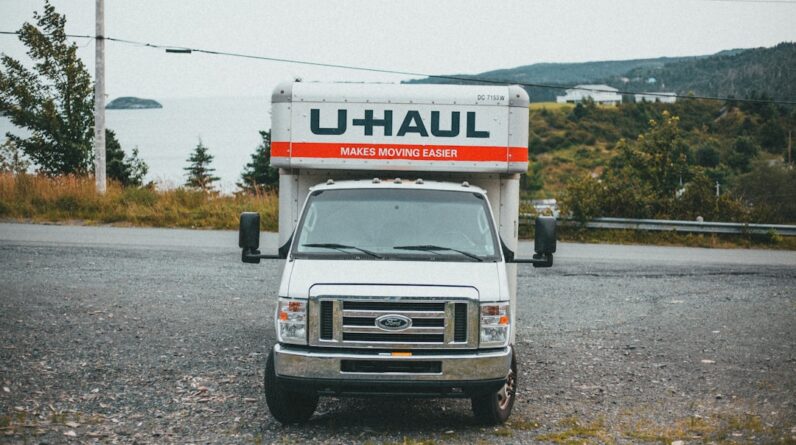
When it comes to moving, the process can be both physically and emotionally taxing. You may find yourself overwhelmed with packing, organizing, and ensuring that everything goes smoothly on the big day. Amidst all this chaos, one aspect that often gets overlooked is the etiquette surrounding tipping your movers.
While tipping is not mandatory, it is a customary way to show appreciation for the hard work and effort that movers put into making your transition as seamless as possible. Understanding the nuances of this practice can help you navigate the situation with grace and gratitude. Tipping movers is a way to acknowledge their labor-intensive job, which often involves heavy lifting, navigating tight spaces, and ensuring that your belongings are handled with care.
It’s important to remember that these professionals are not just there to transport your items; they are also providing a service that requires skill and dedication. By tipping them appropriately, you not only express your gratitude but also contribute to a positive work culture within the moving industry. This can encourage movers to continue delivering exceptional service, benefiting future clients like yourself.
Key Takeaways
- Tipping movers is a common practice and shows appreciation for their hard work and service.
- Consider tipping before the move if you want to ensure good service and motivate the movers.
- Tipping after the move allows you to assess the quality of service before deciding on the tip amount.
- The amount to tip movers can range from 5-20% of the total moving cost, depending on the level of service.
- Factors to consider when deciding when to tip include the complexity of the move, the distance, and the overall experience with the movers.
Considerations for Tipping Before the Move
Before the moving day arrives, there are several factors you should consider regarding tipping. First and foremost, it’s essential to assess the level of service you expect from your movers. If you’ve hired a reputable moving company with positive reviews, you can generally anticipate a high standard of professionalism and efficiency.
In such cases, planning to tip generously may be appropriate. Conversely, if you have reservations about the company’s reputation or have heard mixed reviews, you might want to keep your options open until after the move is complete. Another consideration is the size and complexity of your move.
If you’re relocating from a small apartment to another modest space, the job may require less time and effort than a large family home filled with years of accumulated belongings. The more challenging the move, the more you may want to consider tipping your movers as a reflection of their hard work. Additionally, if you have special requests or unique items that require extra care, such as fragile antiques or bulky furniture, this may also influence your decision on how much to tip.
Considerations for Tipping After the Move

Once the dust has settled and your belongings are safely in your new home, it’s time to reflect on the service provided by your movers. This is when you can truly evaluate their performance and determine an appropriate tip. Take a moment to consider how well they handled your items, their punctuality, and their overall demeanor throughout the process.
Did they arrive on time? Were they courteous and respectful? Did they go above and beyond to ensure that everything was placed where you wanted it?
These factors can significantly influence your tipping decision. Moreover, consider any unforeseen challenges that arose during the move. If your movers had to navigate difficult weather conditions or deal with unexpected obstacles, such as narrow staircases or heavy rain, their ability to adapt and maintain a positive attitude should be taken into account.
Acknowledging these challenges through a thoughtful tip can go a long way in showing your appreciation for their hard work and resilience.
How Much to Tip Movers
Determining how much to tip your movers can be a bit tricky, as there is no one-size-fits-all answer. A common guideline suggests tipping between 15% to 20% of the total moving cost, but this can vary based on several factors. For instance, if you hired a full-service moving company that provided packing services in addition to transportation, you might consider tipping on the higher end of that spectrum.
On the other hand, if your move was relatively straightforward and quick, a smaller percentage may suffice. Another approach is to consider tipping per mover rather than as a percentage of the total cost. A typical range is between $20 to $50 per mover for a half-day job and $50 to $100 for a full day of work.
This method allows you to reward each individual based on their performance and effort rather than solely relying on the overall cost of the move. Ultimately, the amount you choose to tip should reflect your satisfaction with their service and your budget.
Factors to Consider When Deciding When to Tip
Timing can play a crucial role in how you present your tip to movers. While it’s customary to tip at the end of the job, there are instances where you might want to consider tipping during the process. For example, if you notice that your movers are going above and beyond—perhaps they’re handling particularly heavy items with care or working efficiently despite challenging conditions—offering a tip mid-move can serve as an immediate acknowledgment of their hard work.
However, it’s essential to maintain professionalism throughout the process. If you choose to tip during the move, ensure that it doesn’t disrupt their workflow or distract them from their tasks. On the other hand, waiting until the end allows you to assess their overall performance before making a decision on how much to give.
Ultimately, whether you choose to tip during or after the move should align with your comfort level and the dynamics of your interaction with the movers.
How to Present the Tip to Movers

When it comes time to present your tip, how you do so can make a difference in how it’s received. A simple yet effective approach is to hand cash directly to each mover while expressing your gratitude for their hard work. This personal touch not only conveys your appreciation but also allows for a more meaningful interaction.
If you prefer not to handle cash, consider writing a check made out to each mover or providing a single check for the total amount with clear instructions on how it should be divided among them. In addition to presenting the tip itself, taking a moment to verbally acknowledge their efforts can enhance the experience for both parties. A heartfelt “thank you” or compliment about their efficiency can leave a lasting impression and foster goodwill.
Remember that movers often work long hours under physically demanding conditions; your recognition of their efforts can make all the difference in their day.
Other Ways to Show Appreciation to Movers
While tipping is an important way to show appreciation for movers, there are other gestures that can enhance their experience as well. Providing refreshments such as water bottles or snacks during the move can go a long way in keeping morale high and showing that you care about their well-being. Moving can be exhausting work, and small gestures like these can make a significant impact on their energy levels and overall attitude.
Additionally, if you’re particularly pleased with their service, consider leaving a positive review online or recommending them to friends and family. Word-of-mouth referrals are invaluable in the moving industry and can help movers build their reputation and secure future jobs. By taking these extra steps, you not only express gratitude but also contribute positively to their professional journey.
Common Mistakes to Avoid When Tipping Movers
As with any social custom, there are common pitfalls that can arise when it comes to tipping movers. One mistake is failing to tip altogether due to uncertainty about whether it’s expected or not. While tipping is not obligatory, neglecting this gesture after receiving good service can come off as ungrateful.
It’s essential to recognize that movers rely on tips as part of their income, especially if they are working for a company that pays lower wages. Another common error is under-tipping based on preconceived notions about what constitutes an appropriate amount. It’s crucial not only to consider the total cost of your move but also the quality of service provided by each mover.
Avoid comparing your situation with others; instead, focus on your experience and satisfaction level when determining how much to tip. By being mindful of these common mistakes, you can ensure that your tipping practices reflect both appreciation and fairness in recognizing hard work. In conclusion, understanding the etiquette surrounding tipping movers is essential for anyone undergoing a relocation process.
By considering various factors before and after the move, determining an appropriate amount based on service quality, and presenting your tip thoughtfully, you can express genuine gratitude for their efforts. Additionally, showing appreciation through small gestures and avoiding common mistakes will enhance both your experience and theirs during this often-stressful time.
When deciding whether to tip movers before or after the job, it’s important to consider the quality of service provided. According to a recent article on movers-company.com, tipping movers before the job can sometimes lead to a better overall experience. By showing your appreciation upfront, you may motivate the movers to work more efficiently and carefully. However, tipping after the job is also common practice and allows you to reward the movers based on their performance. Ultimately, the decision of when to tip movers is up to your discretion and should be based on the level of service you receive.
FAQs
What is the standard practice for tipping movers?
The standard practice for tipping movers is to tip them after the job is completed. This allows you to assess the quality of their work before deciding on the amount to tip.
How much should you tip movers?
The amount to tip movers can vary, but a common guideline is to tip 5-10% of the total moving cost. You can also consider tipping $20-30 per mover for a smaller job, or $40-50 per mover for a larger job.
Are there any circumstances where you should tip movers before the job?
It is not common practice to tip movers before the job is completed. Tipping after the job allows you to evaluate the movers’ performance and ensure that they have met your expectations.
What are some other ways to show appreciation to movers?
In addition to tipping, you can show appreciation to movers by providing refreshments such as water or snacks, and by being courteous and respectful throughout the moving process. Writing a positive review or providing a testimonial for the moving company is also a thoughtful gesture.